Kathmandu- Yomari Purnima is one of the most important festivals of the Newar community in Nepal. It is celebrated on the full moon day of the month of Thinlā (November–December), marking the end of the rice harvest and the beginning of winter. This festival is not just about food—it is a celebration of culture, community, and gratitude. The main purpose of Yomari Purnima is to celebrate three things: the end of the rice harvest, offering thanks to Goddess Annapurna: the goddess of food, and welcoming the winter season.
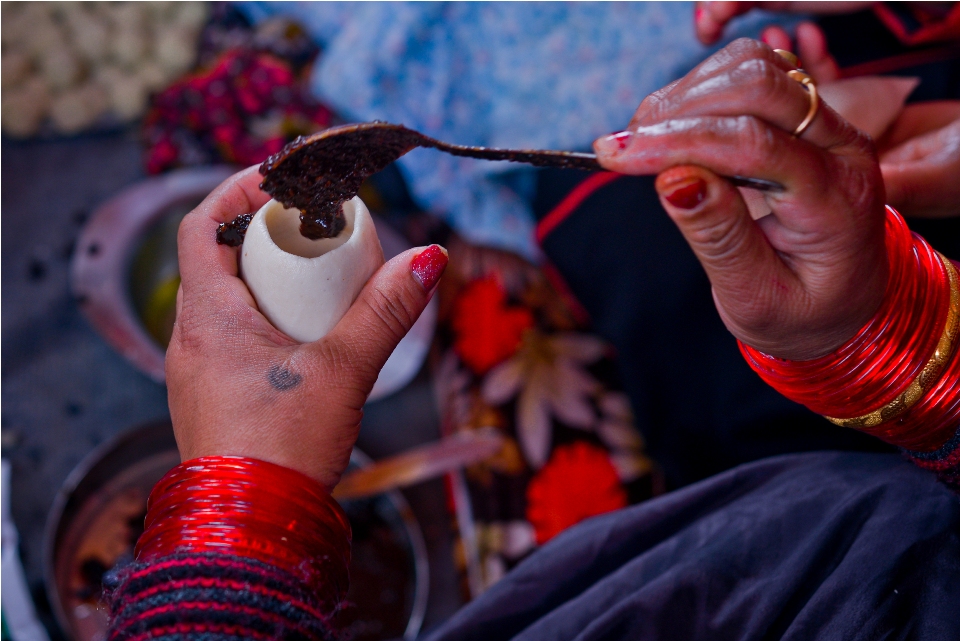 Yomari Preparation
Families prepare yomari, a special steamed dumpling made from rice flour and filled with chaku, khuwā, sesame, or coconut. Its unique pointed shape is considered as a symbol of prosperity, protection, and a good harvest. During the festival, families come together to make and eat yomari. Children go from house to house singing “Yomari Punhi” songs and receive yomari as gifts. Devotees visit dyo chhen (god houses), temples like Panchadewal, and community centers such as Jyapu Samaj to offer prayers. Farmers pray for a good harvest in the coming year.
_11zon-1764750679.jpg) Yomari Purnima is not only a celebration of food but also a festival that represents community unity, respect for hard work and nature, and the preservation of Newar culture. It carries deep meaning through myths and legends. Two of the most famous stories are the legend of Kubera and the myth of Goddess Annapurna.
Yomari Purnima is not only a celebration of food but also a festival that represents community unity, respect for hard work and nature, and the preservation of Newar culture. It carries deep meaning through myths and legends. Two of the most famous stories are the legend of Kubera and the myth of Goddess Annapurna.
According to the Kubera legend, a kind couple named Suchandra and Krita created a new food called ya-mari, meaning “favorite bread.” One evening, a tired traveler came to their house, and they offered him this new delicacy. The traveler revealed himself to be Kubera, the God of Wealth, and blessed them. He declared that anyone who prepares and eats yomari on this full moon day with gratitude would receive prosperity, wealth, and a good harvest.
The other legend links Yomari Purnima to Goddess Annapurna, the goddess of food and nourishment. After harvesting the new rice, the Newar community prepared yomari as an offering to the goddess to show their gratitude. Pleased with the offering, Annapurna blessed the community with abundant food, good health, protection during the winter, and success in the next agricultural cycle. Every part of yomari has symbolic meaning. Rice flour represents purity and the essence of the harvest. Chaku symbolizes energy and warmth for the winter season. The pointed shape of yomari represents prosperity, protection, and creativity. The full moon symbolizes completion, unity, and the closing of the yearly cycle. Yomari is not just a food item; it is a sacred offering to gods, family, and the community.
-1764750282.webp)
Even in modern times, Yomari Purnima remains deeply meaningful. It preserves Newar identity and culinary traditions, teaches gratitude for natural resources and agricultural cycles, strengthens family bonds through shared preparation, and connects mythology with daily life by reminding people that prosperity comes from kindness, generosity, and hard work. Urban households and Nepali communities living abroad also celebrate the festival, adapting traditions while keeping the cultural essence alive.
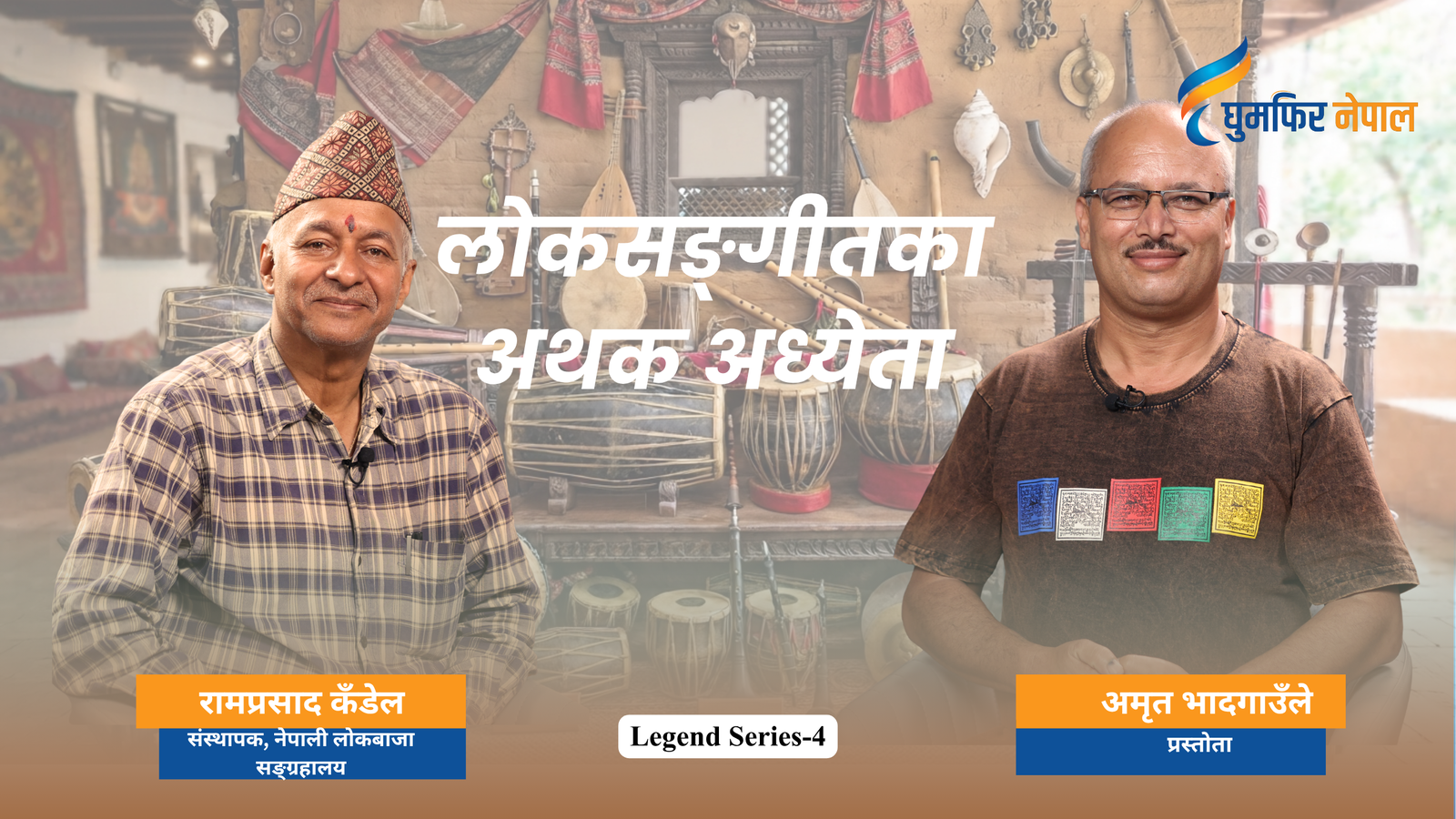
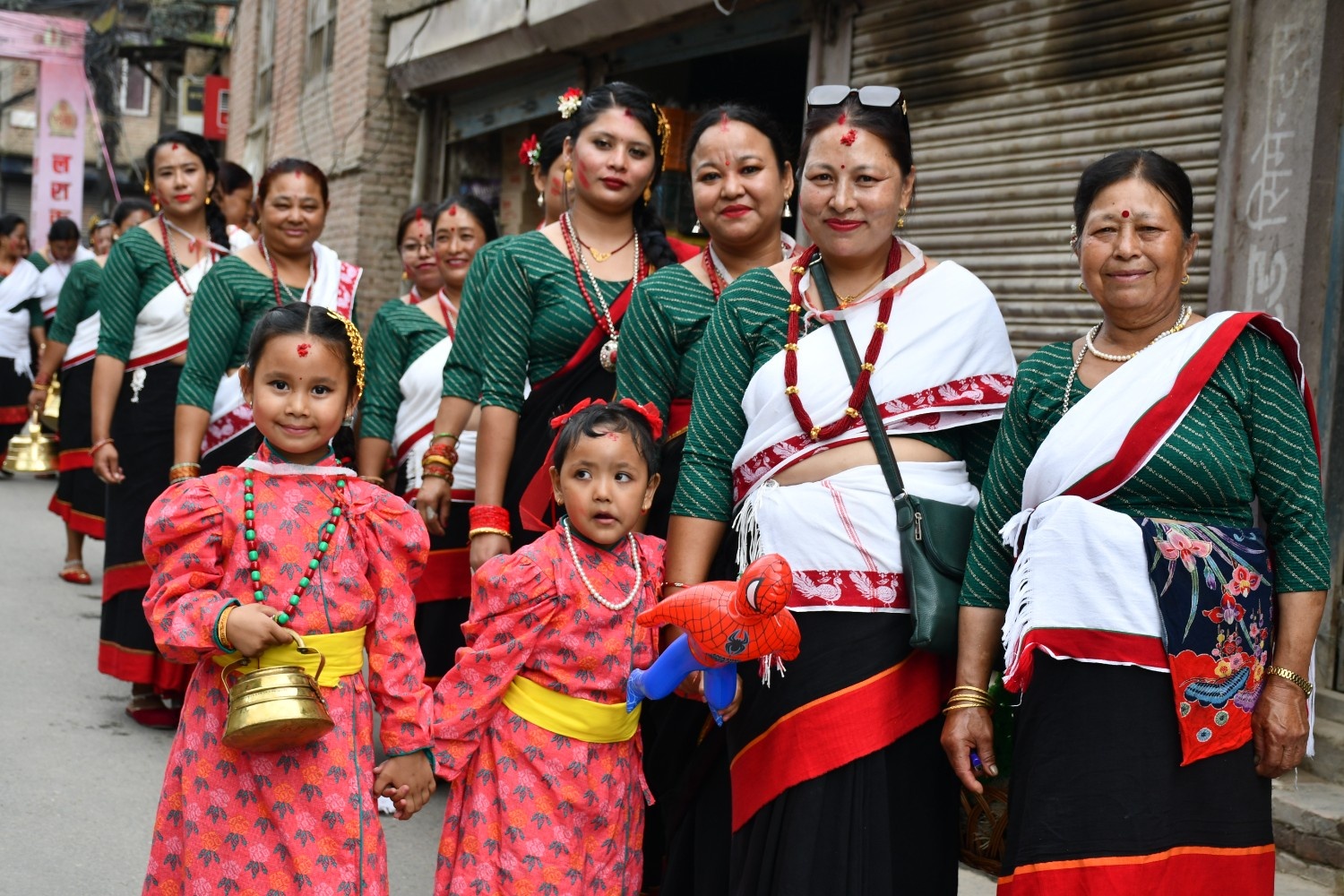 Photo by Amrit Bhadgaonle
In conclusion, Yomari Purnima is a festival that beautifully combines harvest, culture, mythology, and spirituality. The stories of Kubera and Annapurna make it a celebration of prosperity, gratitude, and togetherness. Through generations, this festival continues to preserve the rich heritage of the Newar community. Just like the sweet filling inside a yomari, the festival spreads sweetness, unity, and abundance to everyone.











-1780967674.jpeg)


-1767877915.jpg)