Kathmandu- Today, 11 December, the world marks International Mountain Day: an annual observance established by United Nations General Assembly in 2003 to highlight the critical importance of mountains for humanity and the planet. This year, the theme for International Mountain Day is "Glaciers matter for water, food, and livelihoods in mountains and beyond" which highlights the crucial role of glaciers in freshwater, food security, and sustainable living, especially as 2025 is also the UN's International Year of Glaciers' Preservation. This theme connects directly to global efforts to protect mountain ecosystems and the people dependent on them. The theme also carries a special resonance for Nepal.
-1762092328-1765442859.jpg)
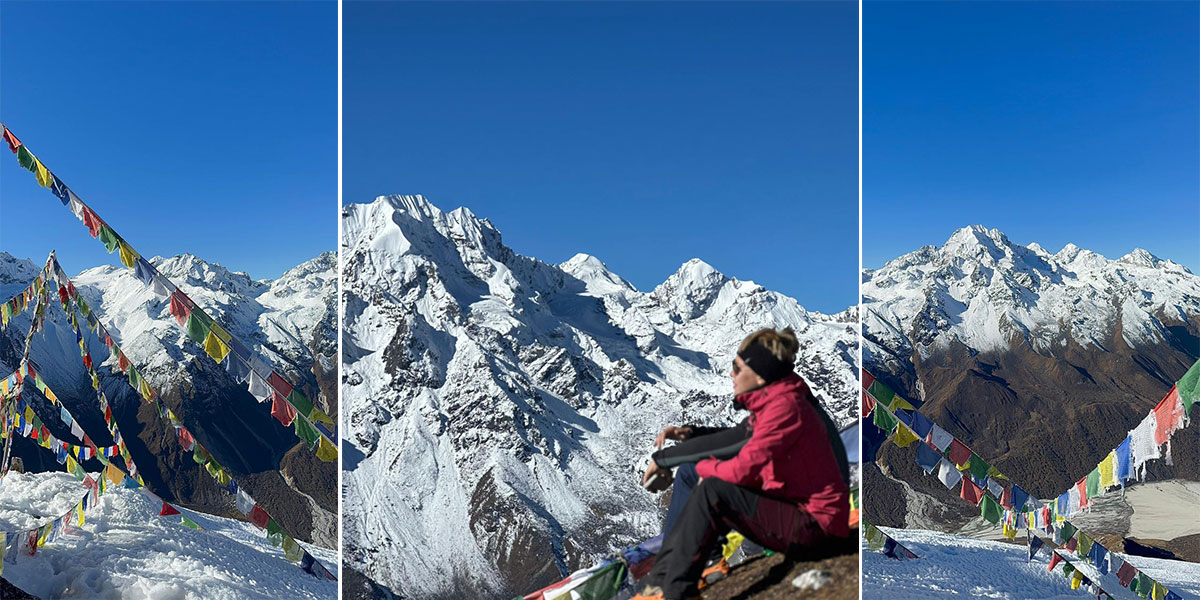
Adding to the excitement, In recent weeks, Nepal’s mountains have been at the center of international attention. Nepal has officially added six new mountains above 8,000 meters, increasing its official count from 8 to 14. The Nepal Himal Peak Profile, operated under the Department of Tourism, published the revised peak profile on its website, incorporating these newly recognized eight-thousanders into Nepal’s official record. Although these peaks are currently classified as sub-peaks and have yet to receive international recognition, Nepal is actively working with the International Mountaineering and Climbing Federation (UIAA) to secure global acknowledgment.
What International Mountain Day 2025 Means for Nepal
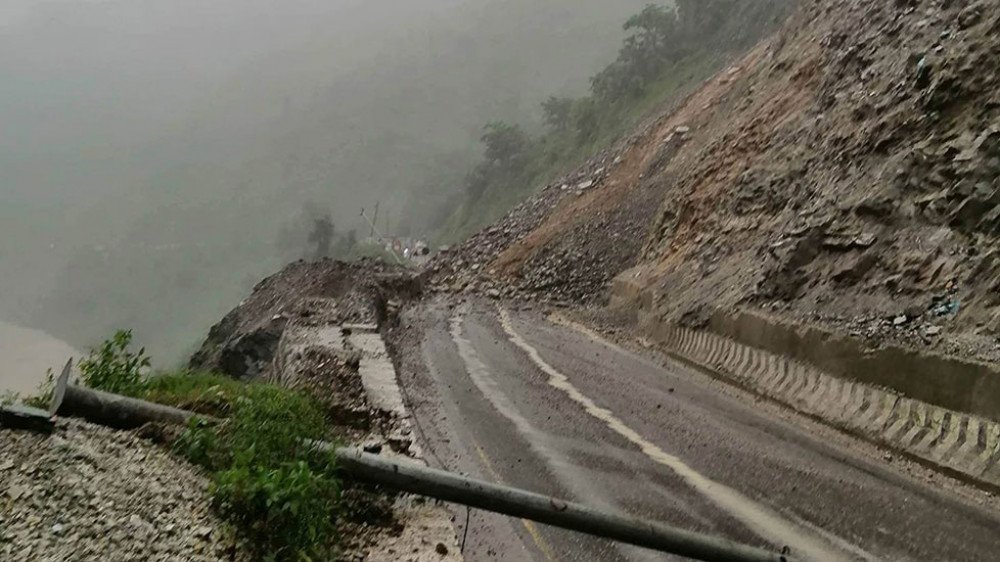
-1762092325-1765442818.jpg) As glaciers shrink, rivers that feed farmland and communities risk reduced flow. For Nepal, a country of towering peaks and deep valleys this could mean less water for irrigation, hydropower, and drinking supply. Mountain tourism is a key pillar of Nepal’s economy. With glacier retreat, familiar trekking routes, snow capes, and high-altitude appeal could be altered impacting guides, hotels, transport, and mountain-dependent communities. Retreating glaciers raise the risk of hazards like floods, glacial lake outburst floods (GLOFs), landslides threatening lives, settlements, and infrastructure, especially in downstream regions. Mountains and glaciers are part of Nepal’s heritage for indigenous communities, local traditions, biodiversity, and national identity. Their loss would be deeply felt.
As glaciers shrink, rivers that feed farmland and communities risk reduced flow. For Nepal, a country of towering peaks and deep valleys this could mean less water for irrigation, hydropower, and drinking supply. Mountain tourism is a key pillar of Nepal’s economy. With glacier retreat, familiar trekking routes, snow capes, and high-altitude appeal could be altered impacting guides, hotels, transport, and mountain-dependent communities. Retreating glaciers raise the risk of hazards like floods, glacial lake outburst floods (GLOFs), landslides threatening lives, settlements, and infrastructure, especially in downstream regions. Mountains and glaciers are part of Nepal’s heritage for indigenous communities, local traditions, biodiversity, and national identity. Their loss would be deeply felt.
-1762092325-1765442827.jpg) As we recognize International Mountain Day, Nepal and Nepalese can embrace several vital pathways to safeguard the nation’s mountain ecosystems and the communities that depend on them. This includes encouraging eco-friendly treks, waste-free expeditions, and community-based tourism that respects natural habitats while supporting local livelihoods. It is equally important to invest in monitoring glacial retreat, funding watershed protection, and restoring upstream slopes through reforestation to reduce erosion, alongside building community awareness on sustainable water use. Empowering local communities through inclusive decision-making, promoting climate-resilient livelihoods beyond tourism, and developing diversified agriculture adapted to shifting water patterns are crucial steps forward. Furthermore, Nepal can use platforms like today’s observance to advocate for stronger national and global climate action reducing emissions, expanding climate-adaptation funding, and implementing measures that safeguard fragile mountain ecosystems for generations to come.
As we recognize International Mountain Day, Nepal and Nepalese can embrace several vital pathways to safeguard the nation’s mountain ecosystems and the communities that depend on them. This includes encouraging eco-friendly treks, waste-free expeditions, and community-based tourism that respects natural habitats while supporting local livelihoods. It is equally important to invest in monitoring glacial retreat, funding watershed protection, and restoring upstream slopes through reforestation to reduce erosion, alongside building community awareness on sustainable water use. Empowering local communities through inclusive decision-making, promoting climate-resilient livelihoods beyond tourism, and developing diversified agriculture adapted to shifting water patterns are crucial steps forward. Furthermore, Nepal can use platforms like today’s observance to advocate for stronger national and global climate action reducing emissions, expanding climate-adaptation funding, and implementing measures that safeguard fragile mountain ecosystems for generations to come.

-1793006916.jpg)






-1793006916.jpg)
-1793006916.jpg)

-1780967674.jpeg)



-1767877915.jpg)