UN Resolution
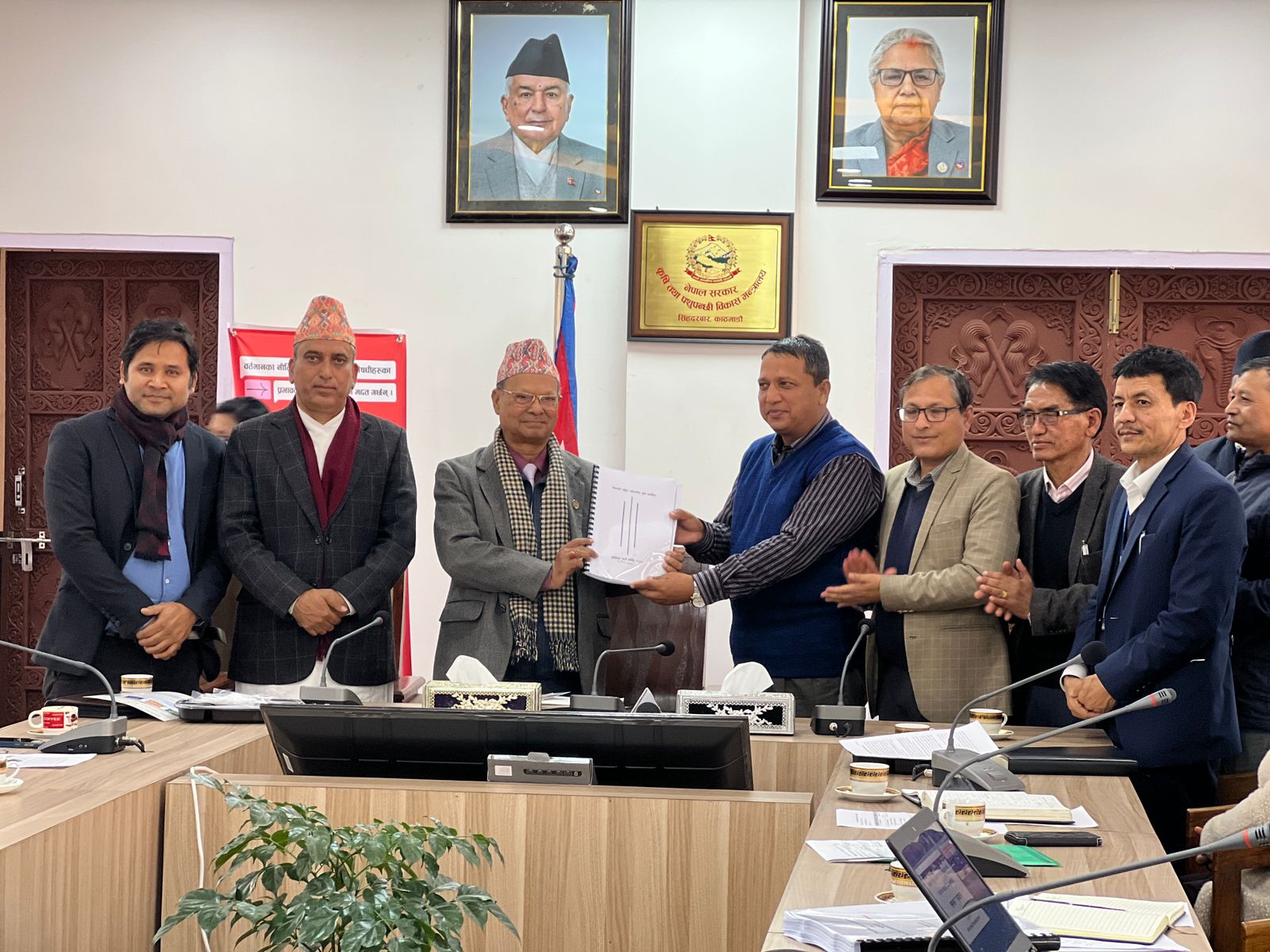
It is a great matter of pride for Nepal to be successful at it’s initiative to have International Wellness Day for 15th April proclaimed at the 80th UN General Assembly last month. The resolution A/RES/80/249 was initiated by Nepal and co-sponsored by 40 UN member countries and voted for by 143 countries with only 1 country against it on the 10th March 2026. Bravo to all involved in this endeavor ! In fact, it is also a historic diplomatic achievement for Nepal and a very good news for tourism industry of Nepal as it opens a promising avenue in diversifying our tourism niche product and balancing the seasonality too. Of course, it could be also a good opportunity for Nepal’s economy in terms of earning hard currency and generating employment if we can develop good strategic plans and policies for wellness tourism.
Main focus of the celebration should be promotion of Wellness Tourism at international level highlighting major competitive strengths of Nepal. Promotion and marketing should be focused and consistent under the PPP model
 Tilak Lama, Tourism expert
Wellness Concept
Wellness is a broad term in general with many dimensions and aspects about personal, social and environmental well-being. The word also sounds similar to happiness or mindfulness and even blissfulness in spiritual terms. There can be different definitions among great philosophers to spiritual gurus and also in the view of different cultures around the world. It is note worthy to state the UN resolution by the 80th General Assembly session at the proclamation of International Wellness Day document as, “Underscoring that the maintenance of wellness through preventive, lifestyle-based and people-centered approaches contributes significantly to saving lives, … “ The resolution further states, “Acknowledging that wellness serves as a vital pathways for enhancing quality of life, safeguarding human dignity and enabling every human being to realize full potential of his or her full potential ….” Another note worthy statement to mention in this context is WHO Geneva Charter for Well-Being, Dec. 2021, the charter states as “A positive vision of health that integrates physical, mental, spiritual and social well-being.” as one of the Foundations for Well-Being. Sustainable Development Goal (SDG) # 3 also is ‘Good Health and Well-Being’. Going by these statements of different international organizations and other philosophical view points, the wellness can be defined as a holistic approach of over all well-being in terms of physical, mental, emotional, cultural, social and environmental well-being. In another term, over all well-being concept is a state of mind of a person which can be related to happiness and mindfulness therefore, the approach can be integrated spiritually also in philosophical terms.
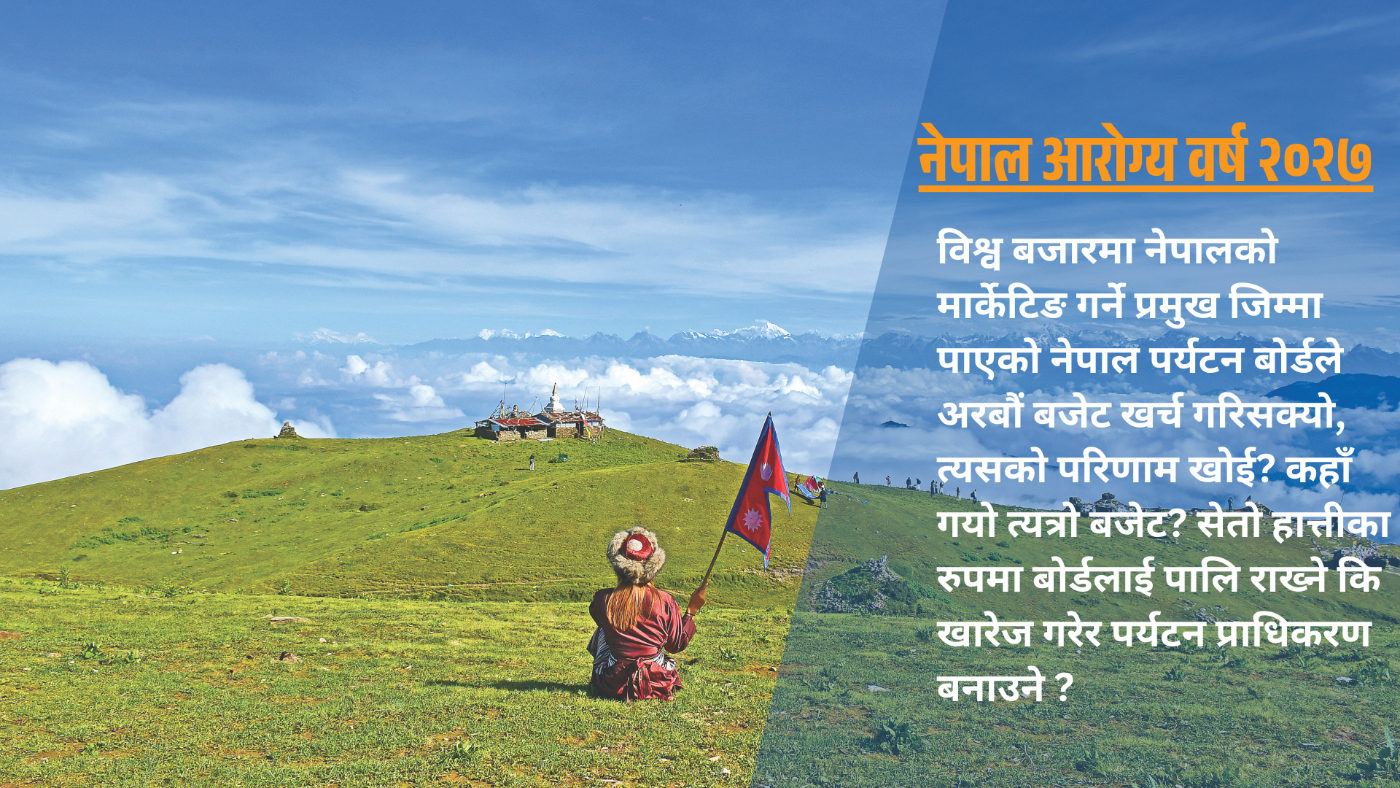
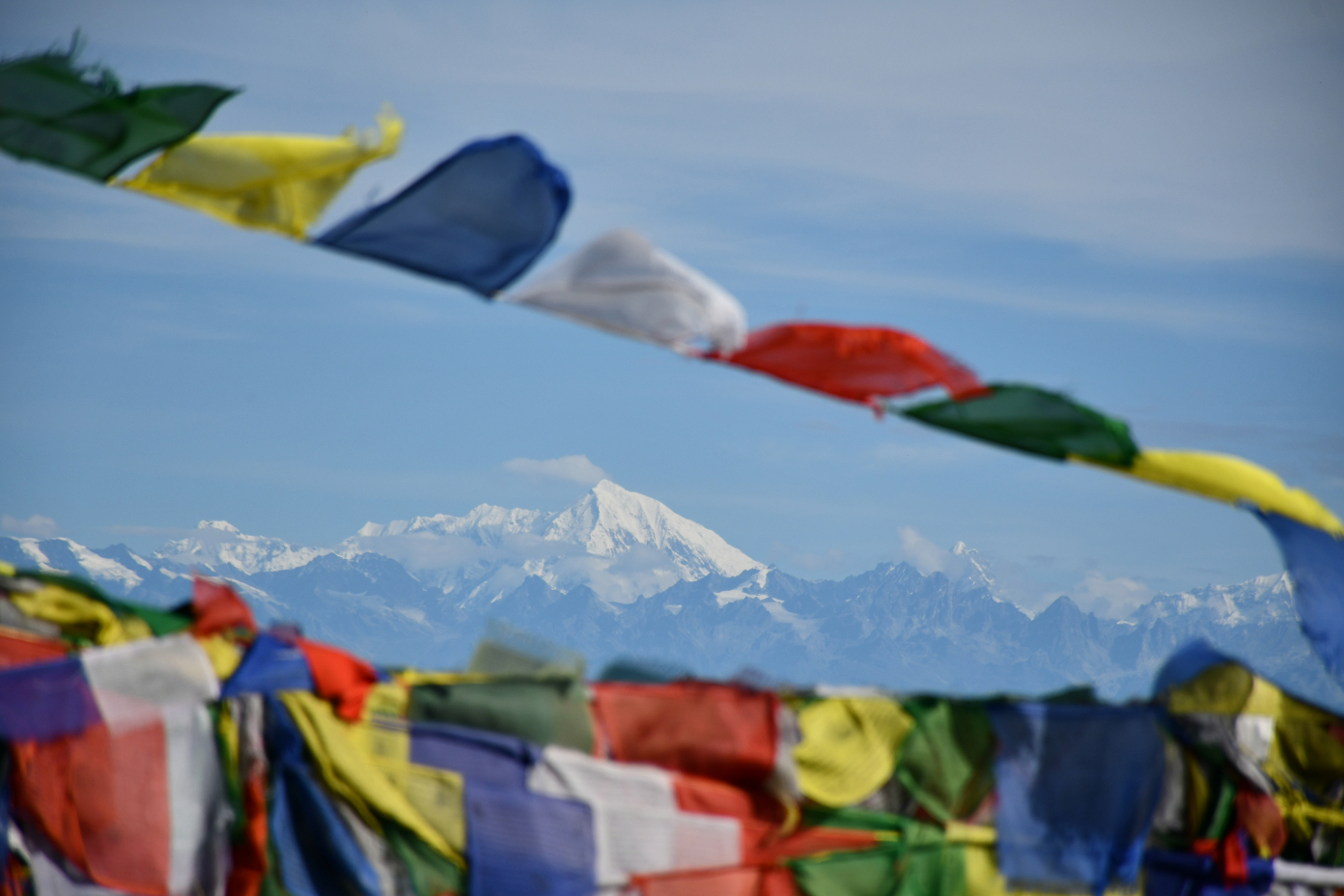 Shailung, Dolkha
Wellness Tourism - Trend, Demand, Size
UN World Travel & Tourism Council (WTTC) reports size of tourism industry in global economy for USD 11.1 trillion in 2024. Similarly, Global Wellness Institute (GWI) data shows, Wellness Tourism size was USD 894 billion in 2024 and is expected to reach 1.14 trillion by 2027, a huge leap ! That means it is one of the fastest growing segments in the tourism market. Wellness segment is one of the promising components of luxury tourism, in another word, quality tourism due to it’s high yield in revenue. There are many reasons for such a fast growth causing a need of wellness or well-being for travelers. One of the main reasons is modern life style with materialistic drive that is prone to lots of stress. Another major cause is too much indulgence in digital screen and other gadgets of modern technology. There is a trend of over indulgence now among all age groups but, younger people are more affected though. Such major problems are more in developed economies. This may be the reasons, why largest five wellness economies are in countries like; USA, China, Germany, Japan and the UK. With more and more population progressing up to middle and higher income bracket, their daily routine is becoming more hectic and stressful because of the professional job pressures. Not only that, modern city life-style itself is also much demanding with little time for themselves and families. As a result, in some parts of developed rich countries, more and more cases of anxiety and depression are reported to be increasing sadly. Such back ground of the modern society is creating a big demand for wellness retreats as therapies or at least for relaxation holidays.
Nepal’s Competitive Strength
Wellness tourism market as a lucrative segment in travel trade indistry with a tremendous potential is a good sign. But, what does it mean for Nepal ? Well, it means a lot given Nepal’s strategic position between two fast growing big economies and markets, China and India. On top of that, Nepal’s presence as a unique travel destination is already there in other big market countries like; the USA, Germany, Japan, UK, France and so on. Nepal can reap benefits better as it has got a good competitive strengths in some of the major segments of Wellness Tourism. To mention some of them; Nepal is world renowned for stunning natural serenity & beauty, Himalayan high value herbs, Himalayan grandeur & awesome panoramic views, Lumbini birth place of Gautam Buddha who radiated the message of inner peace in the entire world, Pashupatinath one of the holiest Hindu pilgrimage centers, mystical cultural ancient cities, numerous spiritual sacred sites where many important Bodhisatvas, saints, sadhus and spiritual great masters stayed in retreats for meditation resulting to enlightenments. The Himalayan region, Kathmandu valley and sacred sites in different parts of Nepal are also well known for spiritual practices for attaining self awareness and inner peace. Other attractions are Nepal’s authentic culture and ancient traditions derived from oriental civilization.
To complement the above different attractions and accommodate the wellness oriented travelers to Nepal, good quality facilities and high standard service are crucial. Private sector in Nepalese travel trade now is quite experienced to cater required services to high end clients from the developed countries. In the areas of wellness treats and facilities, there are some internationally certified Spa centers, well qualified Yoga & Mediation gurus, Ayurveda healing clinics and singing bowl therapy studios in Kathmandu, Pokhara and some other towns. To start with, Nepal has enough facilities and required skill for now to cater to wellness tourist needs. General wellness activity services required and available now in Nepal are spa treats, Ayurvedic therapies, sound and hydro therapies, nature walk, hiking, yoga, taichi, meditation, spiritual retreats etc.
Of course, we need to fine tune skills and develop better facilities at professional level to be globally competitive. Among the main six facets of wellness tourism namely; physical, mental, emotional, social, environmental and spiritual, Nepal can out stand in some of segments. Our natural serenity, Himalayan herbs, Himalayan grandeur and spiritual sanctity which other wellness destinations don’t have can be leading components for body detoxification, health tonics, stress release and mindfulness leading to inner peace !
Way Forward and Potential
With proper strategic plans, policies, programs and support from the government side, Nepal can make a steady progress in the near future. Although it may take some time to reach at high reputation level of Nepal as a leading Himalayan mountaineering destination in the world, we can develop Nepal as premier wellness tourism destination in the near future. There are many lessons to learn from the past though. Wellness tourism attracts tourists of high end that means their per capita spending is also higher than other normal pleasure tourist category. Currently per capita spending of tourists in Nepal is about US$ 40/day only which is much less than international average. As Ministry of Tourism, Culture & Civil Aviation (MoCTA) reports, total revenue from tourism is reported for US$ 618.8 million in the fiscal year 2023/2024. Total number of tourist arrival was little over 1 million during the period. Tourist length of stay is reported to be 13.3 days in 2024 (MoCTA report) which is found to have remained almost constant for the last 10 years. With wellness retreat both length of stays and per capita spending can be higher than the current figures because, wellness package yields higher. Analyzing the trend and package components, wellness and retreat package yield more income than from other categories except the mountaineering segment. Another advantage for Nepal is wellness tourism can balance the seasonality in Nepal as wellness and retreat packages do not require much outdoor activities. During four months long monsoon season from June to September, tour, trekking and mountaineering trips are very limited and tourist arrival is at it’s lowest resulting to no job or part time job only. Another good point to note here on the part of the Nepal government is National Wellness Strategy Plan 2026 – 2035 being drafted for the last six months under the initiative of MoCTA with support of the UK International Development funding. Hope, the plan will be finalized and adopted as a broad based policy encompassing the current tourism trend.
International Wellness Day, 15th April
It is encouraging to have a high level national organizing committee formed under the convenership of Hon. Tourism, Culture & Civil Aviation Minister for celebrating the very first International Wellness Tourism Day, April 15. As Nepal’s private sector is quite matured in the field of tourism, they need to be given an important role to play to make the event successful under the leadership of the ministry. As tourism is a multifaceted industry covering a wide range of areas, other concerned ministries have to be also coordinated for effective implementation of the plans and programs in a sustained way. Main focus of the celebration should be promotion of Wellness Tourism at international level highlighting major competitive strengths of Nepal. Promotion and marketing should be focused and consistent under the PPP model. It can be possible only with reorganized and dynamic Nepal Tourism Board (NTB) with more professional private sector at consistent and strong supports of MoCTA.
Tilak Lama, Tourism Entrepreneur for the last 30 years, CNI Tourism Committee Member, Advisor in Nepal Mountaineering Association (NMA).









-1780967674.jpeg)

-1767877915.jpg)