Kathmandu- Nepal’s Terai region offers a unique blend of natural beauty, cultural heritage, and spiritual landmarks, making it a must visit destination site for travelers. From the dense jungles of Chitwan National Park, home to Bengal tigers, one-horned rhinoceroses, and over 544 species of birds, to the sacred pilgrimage sites of Lumbini, the birthplace of Lord Buddha, the Terai showcases Nepal’s rich biodiversity and spiritual traditions. Visitors can explore historic and religious hubs like Janakpur and Dhanushadham, experience birdwatching and river safaris at Koshi Tappu Wildlife Reserve, or relax at scenic man-made retreats like Bharat Tal. Whether you are a wildlife enthusiast, a spiritual seeker, or simply looking for peaceful natural escapes, Terai offers a journey filled with adventure, culture, and serene landscapes. Here are some must visit places of Terai for your next vacation plan.
Chitwan National Park
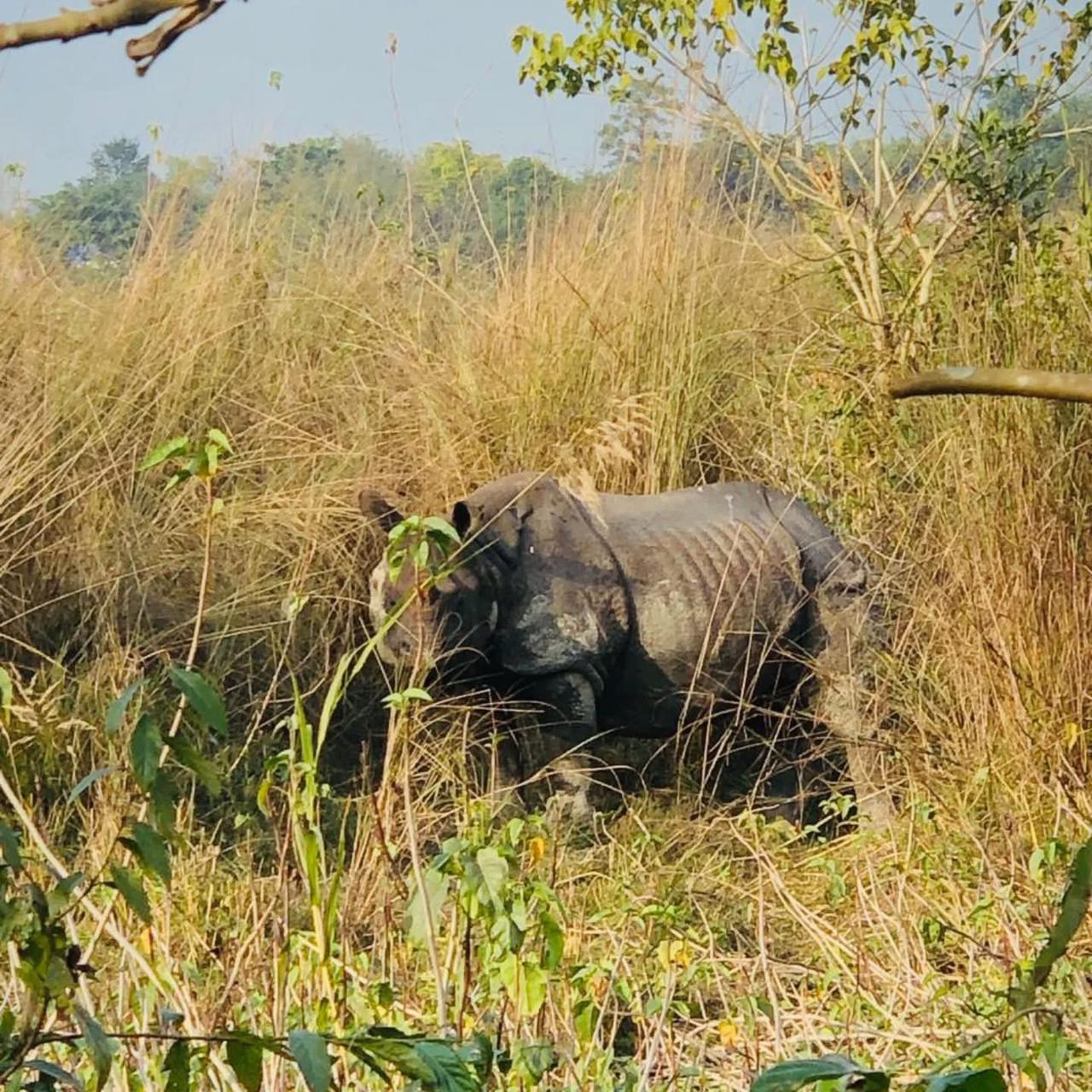
Located in southern Nepal, Chitwan National Park is the country's first National Park and a UNESCO World Heritage Site. Established in 1973, it covers parts of Chitwan, Nawalparasi, Parsa, and Makwanpur. The park is famous for protecting rare animals like the One-Horned Rhinoceros, Bengal tiger, and Gharial crocodile. With its thick Sal forests and wide grasslands, Chitwan National Park is home to over 544 species of birds and mammals like leopards, sloth bears, and wild elephants. The best time to visit this National Park is from October to February for pleasant weather, However, March to June is better for seeing animals because the grass is dry. Visitors can enter through Sauraha or Meghauli. Popular activities and adventure to do here, includes Jeep Safaris, which are best in the morning for spotting tigers and rhinos, and peaceful Canoe Rides on the river to see crocodiles and birds. Visitors can also enjoy Cultural Tours to learn about the unique traditions of the local Tharu community or visit the Breeding Centers in Khorsor and Kasara to see baby elephants and Gharial crocodiles. To enjoy these experiences, daily entrance tickets cost NRs. 150 for Nepali citizens, NRs. 1,000 for SAARC nationals and NRs. 2,000 for foreigners. For your safety, walking inside the park is not allowed between sunset and sunrise.
Lumbini
Located in the Rupandehi District of Lumbini Province, Lumbini is a sacred pilgrimage site, world famous as the birthplace of Lord Gautam Buddha. Recognized as a UNESCO World Heritage Site in 1997, Lumbini attracts millions of visitors annually. People come here to see the Maya Devi Temple, which is the exact spot where Buddha was born. Right next to the temple are the Ashoka Pillar, placed by Emperor Ashoka in 249 BCE, and the Puskarni (Holy Pond), where Queen Maya Devi bathed before giving birth. Visitors also gather to meditate under the large Bodhi Tree nearby. The Temple area is divided into Eastern and Western Monastic Zones, featuring around 32 beautiful monasteries from countries like Thailand, Myanmar, Korea, and Germany, as well as the massive white World Peace Pagoda. To reach Lumbini, you can fly into Gautam Buddha International Airport in Bhairahawa, which is only 22 km away, or take a bus ride. Once you reach there, People can rent bicycles or e-rickshaws to explore the large grounds. While visiting, many travelers also go to Tilaurakot (ancient Kapilvastu) and Ramagrama, the only undisturbed stupa containing Buddha's remains.
Janakpur/ Dhanushadham
Janakpur and Dhanushadham are two of the most significant religious and historical sites located at Dhanusa district. This Place is deeply connected to the ancient epic, the Ramayana. Janakpur is the capital of Madhesh Province also celebrated as the birthplace of Goddess Sita (Janaki). The key attraction of Janakpur is the stunning “Nau Lakha” temple, which is built in a mix of Mughal and Rajput architectural styles. It draws pilgrims year-round, especially during festivals like Vivah Panchami and Ram Navami. Similarly, Located about 18 km northeast of Janakpur, There is Dhanushadham which is traditionally believed to be the site where a piece of Lord Shiva’s divine bow (Pinaka) fell after it was broken by Lord Ram during Sita Swayamvara. Visitors can reach Dhanushadham via a 45-minute bus ride or short drive from Janakpur. The optimal season for travel is between October and March when the weather is cooler and more comfortable. Pilgrims are advised to dress modestly, covering shoulders and knees, and to remove footwear before entering temple premises. I would suggest an early visit to Janaki Mandir and Vivah Mandap, then continue with a midday excursion to Dhanushadham, and conclude with the evening Aarti at sacred ponds such as Ganga Sagar. You can also try the authentic mithila dishes by Chef Santosh Sah.
Koshi Tapu Wildlife Reserve
The Koshi Tappu Wildlife Reserve is Nepal’s smallest wildlife reserve, located in the floodplains of the Sapta Koshi River in the southeastern part of Nepal. Also, Renowned as a “birdwatcher’s paradise,” it is home to over 441 bird species and the last surviving population of wild water buffalo (Arna) in Nepal. Visitors coming from Janakpur or Dhanushadham can continue towards east, covering approximately 166 to 216 km depending on the entry point. By road, the journey takes around four hours by private vehicles along the Mahendra Highway, while local buses may take six to eight hours. Although there are no direct flights from Janakpur, most visitors fly from Kathmandu to Biratnagar (about 45 minutes) and then drive 1.5 to 2 hours to the reserve. Key activities in the Tapu include birdwatching, which is best during winter when migratory birds arrive from Siberia and Mongolia, wildlife safaris by jeep or on foot (with a mandatory guide) to see Arna, hog deer, spotted deer and wild boars, and boat trips on the Koshi River to spot rare Gangetic dolphins and gharial crocodiles. Elephant rides are also available near the park headquarters in Kusaha gate. The ideal time to visit Koshi Tapu is between October and March for pleasant weather and peak bird activity, while the monsoon season from July to September should be avoided due to heavy flooding. Entrance fees here also vary by nationality: Nepali citizens pay NPR 50 plus VAT, SAARC nationals NPR 500 plus VAT, and foreign visitors NPR 1,000 plus VAT. Accommodation is conveniently available just outside the reserve, especially near Kusaha, where several tented camps and resorts provide easy access to the park.
Bharat Tal
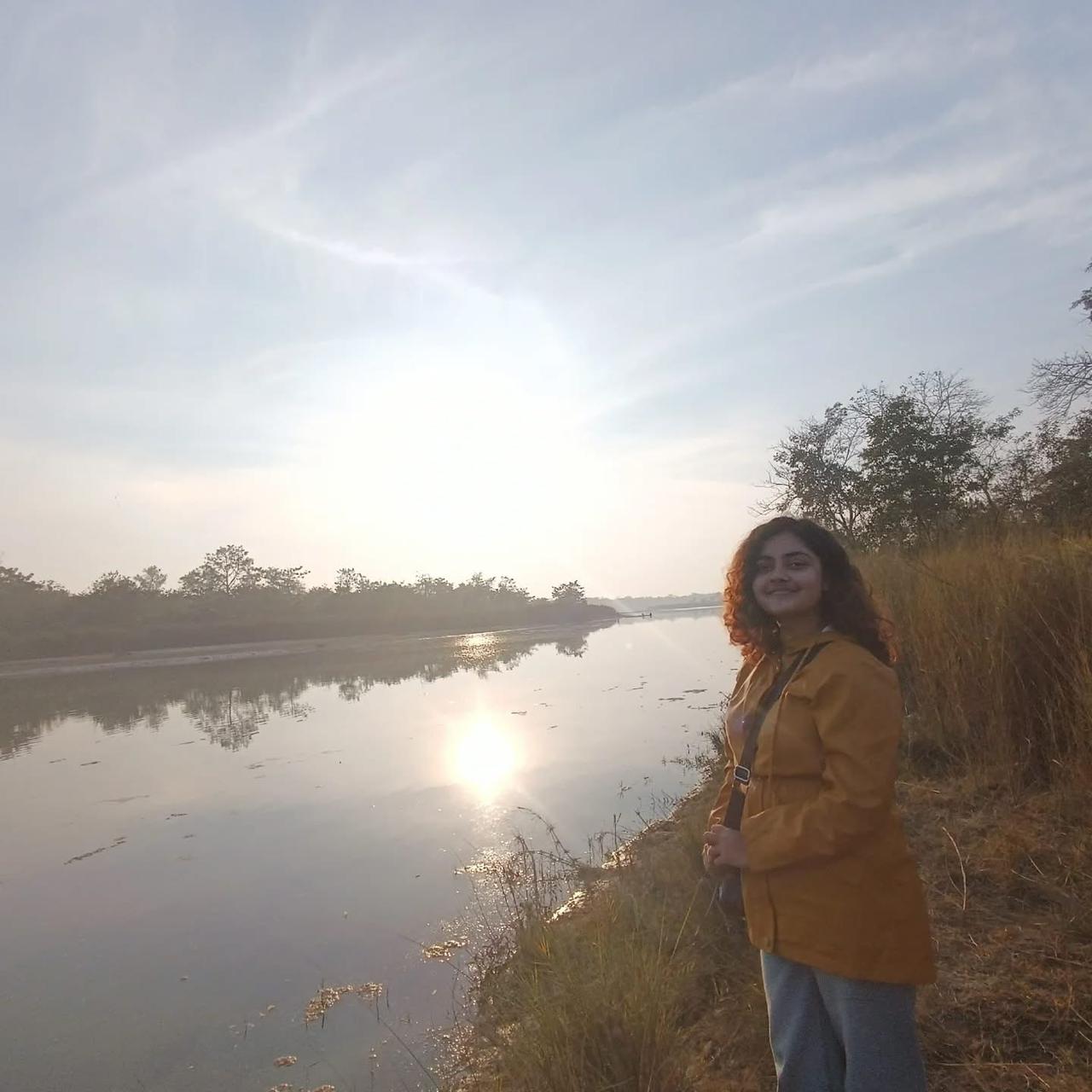
Bharat Tal, also known as Bharat Lake or Bagmati Lake, is the largest man-made lake in Nepal and It has quickly become a major tourist hub in Madhesh Province. Located in Bagmati Municipality of Sarlahi District, the lake spans over 35 hectares (roughly 50 to 121 bighas) and reaches a depth of 35 feet. It is surrounded by lush greenery, making it a popular spot for photography, family picnics, and birdwatching, particularly during the winter months when migratory birds arrive. Here, Recreational rides are a major attraction, like motorboat and jet boat rides. A typical motorboat ride costs around NPR 150 per person. For visitors traveling from Janakpur, Bharat Tal is approximately 81.4 km away via the Mahendra Highway, taking about 2 hours and 15 minutes by private car or taxi, or accessible by local buses. The lake is situated roughly 1 km south of the Bagmati Bridge on the highway. Saturdays and public holidays tend to be the busiest, so visiting on a weekday is recommended for a more peaceful experience.
-1774171976.jpeg)




-1780967674.jpeg)




-1767877915.jpg)