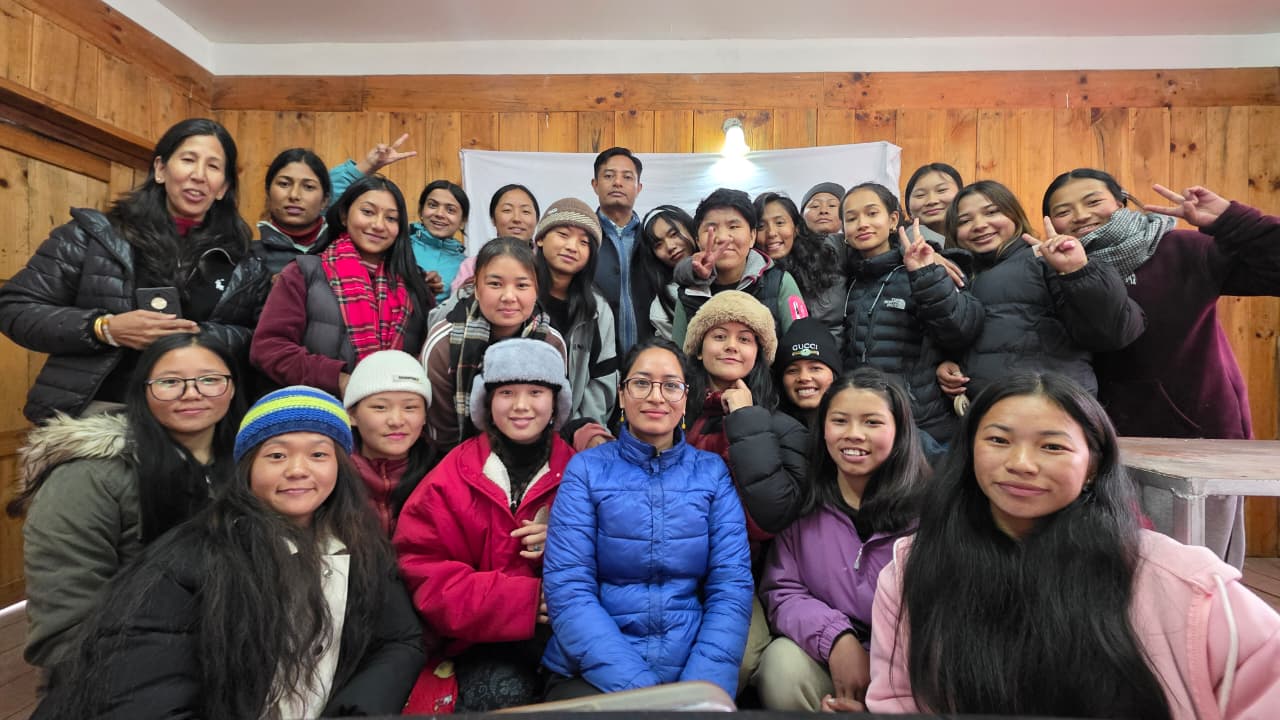
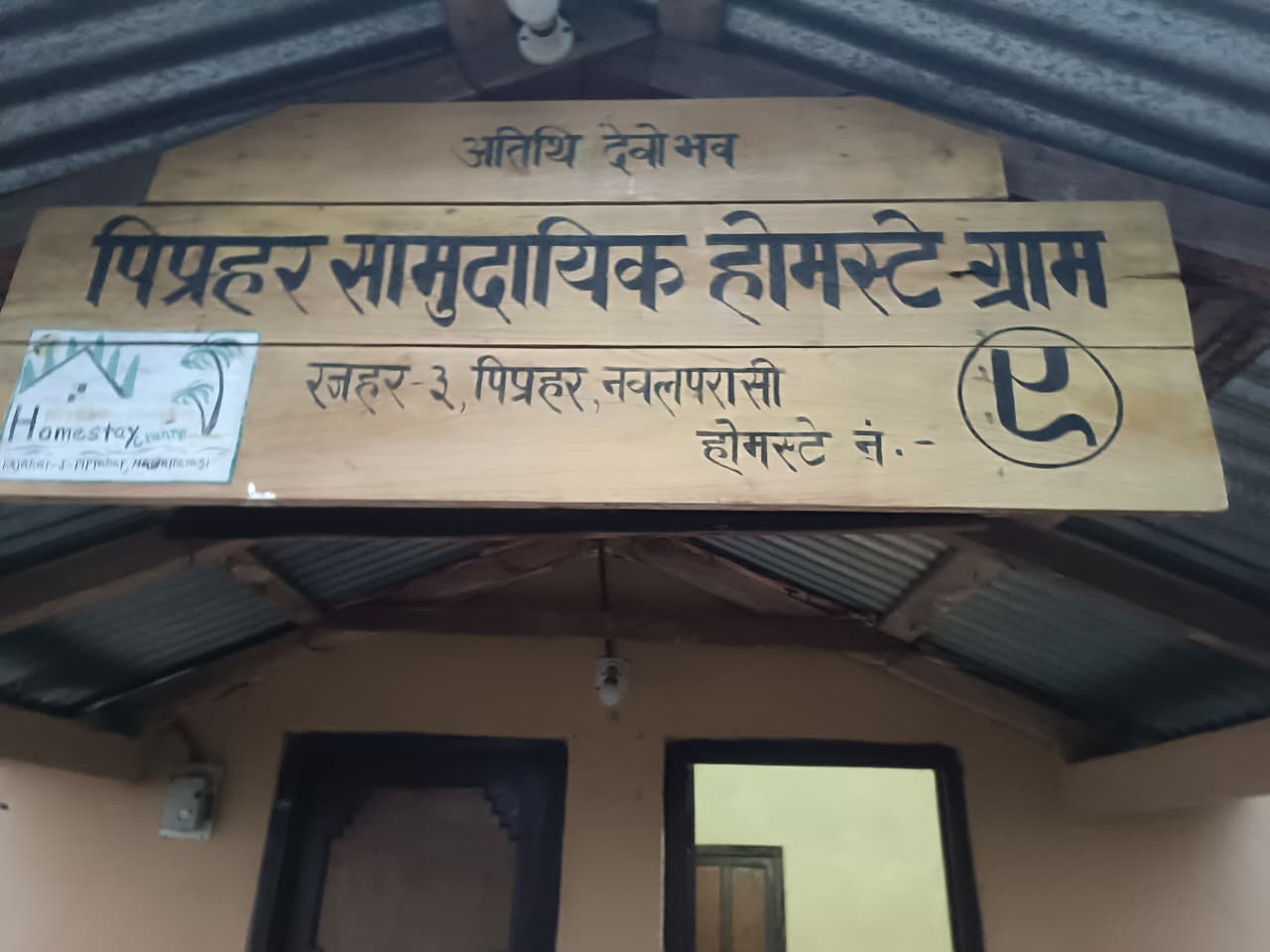
Kathmandu- As a second year udergraduate student, I recently joined my college for a 2 nights and 3 days field trip to Piprahar Community Homestay in Devchuli Municipality, Nawalpur. Located in the lush Terai region of Nepal, this homestay offers a close look at rural life, Tharu culture, and community forestry near Chitwan National Park's influence. The trip combined fun, learning, and nature exploration.
Journey from Kathmandu to Piprahar
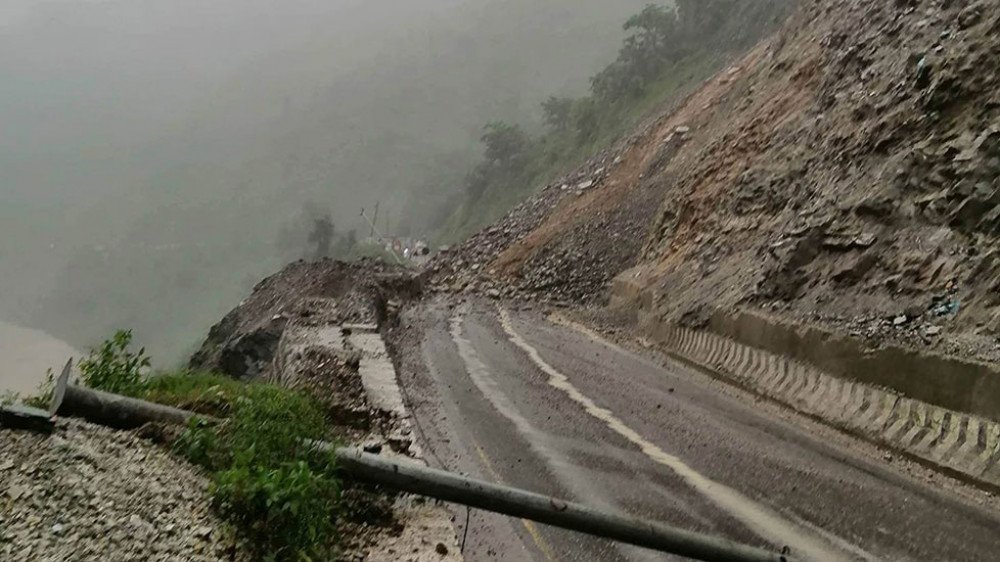
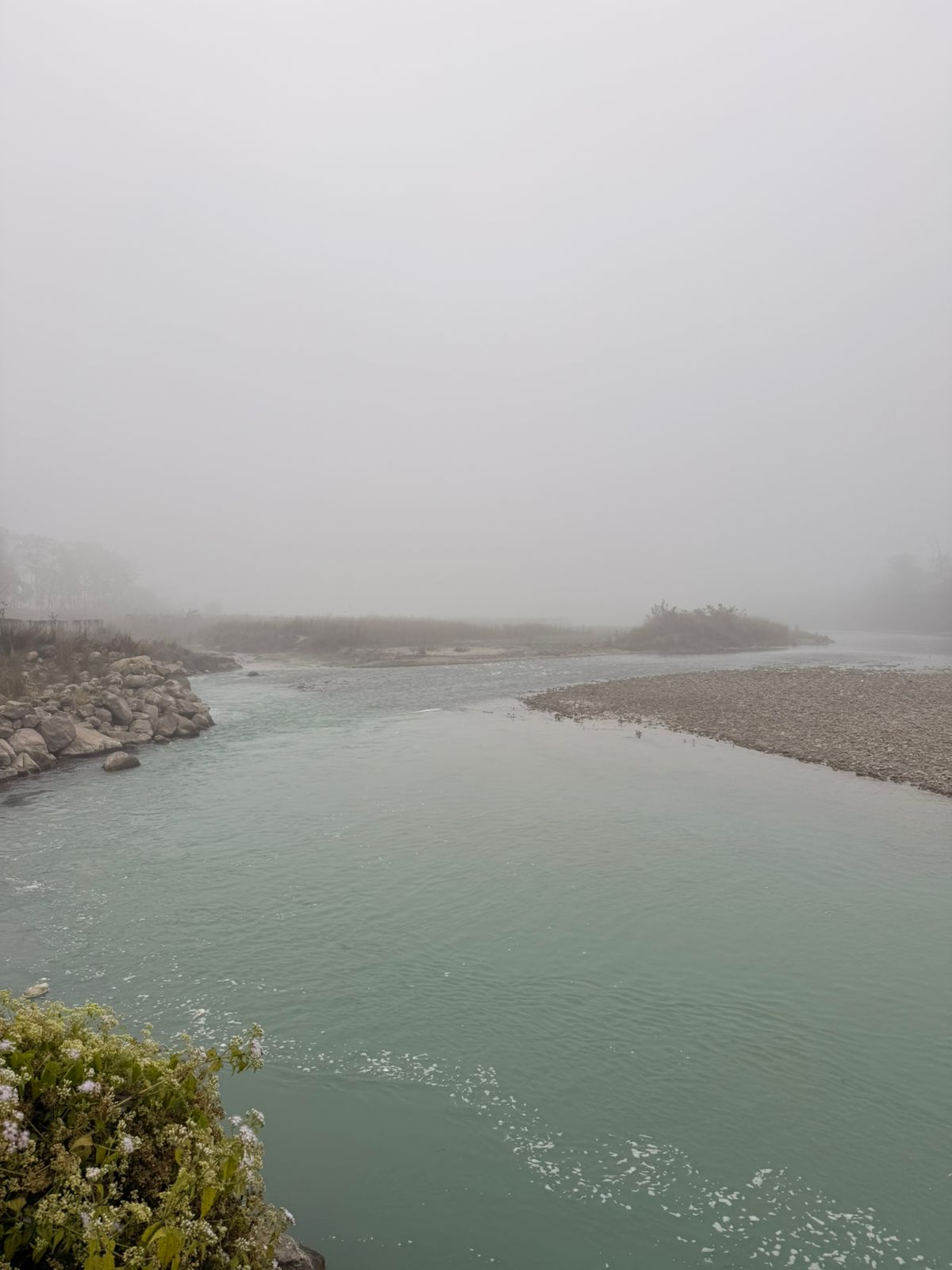
The trip started early on the first day. We left Kathmandu at 7 a.m. in our college bus. We stopped at Mugling for lunch at Hotel Serchan, a popular roadside spot known for its simple Nepali meals. After eating, We continued our Journey toward Devchuli. Along the way, We could spot the wide Narayani River, a major waterway flowing from the Himalayas. We also passed famous landmarks like the Trishuli River bridge, gaindahawa lake viewpoints, and Manakamana Temple hill, which offer stunning valley views. The ride was full of laughter and songs, making the long journey enjoyable. We reached Piprahar Community Homestay at 2 p.m.
Warm Welcome and First Afternoon
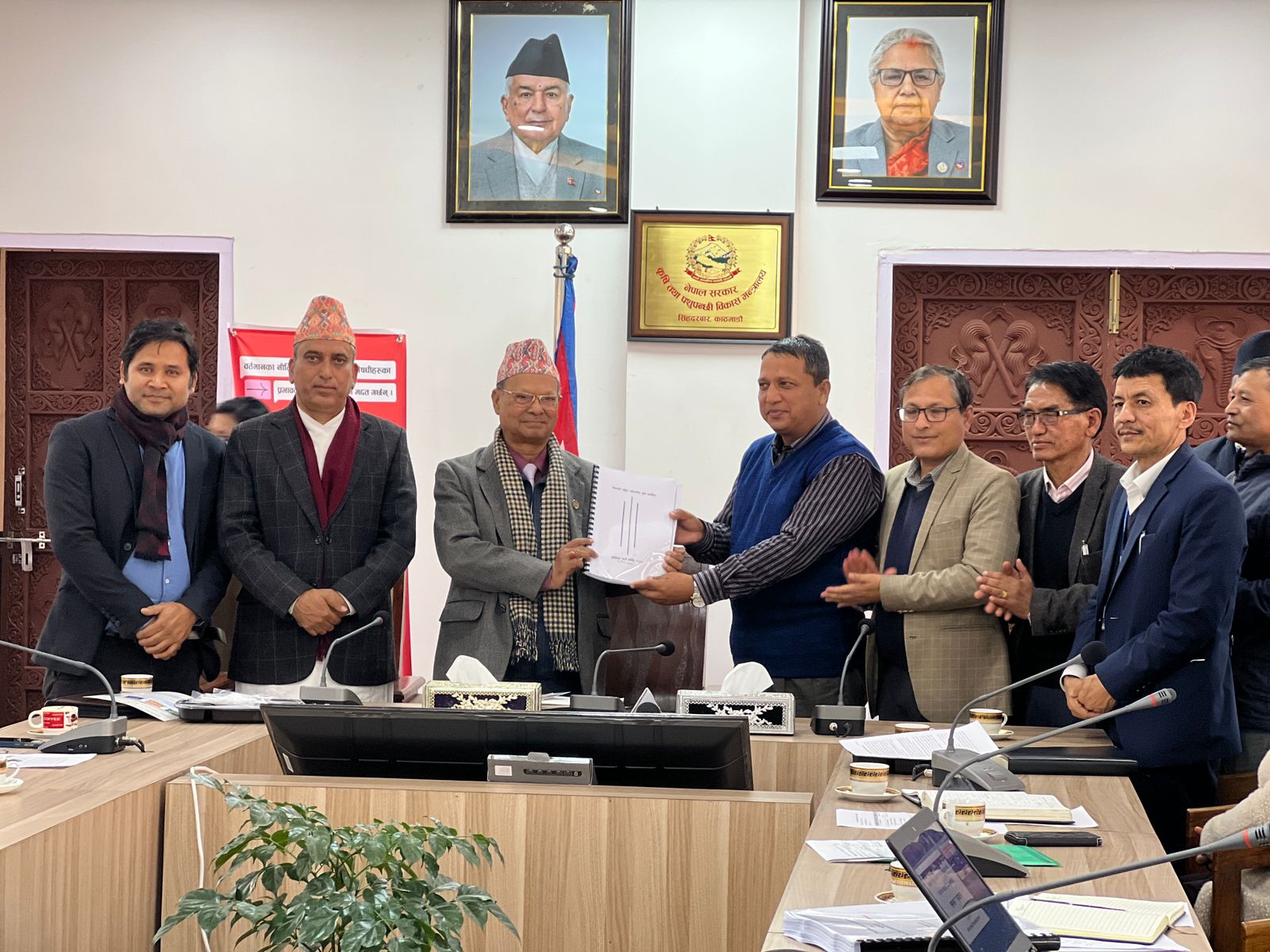
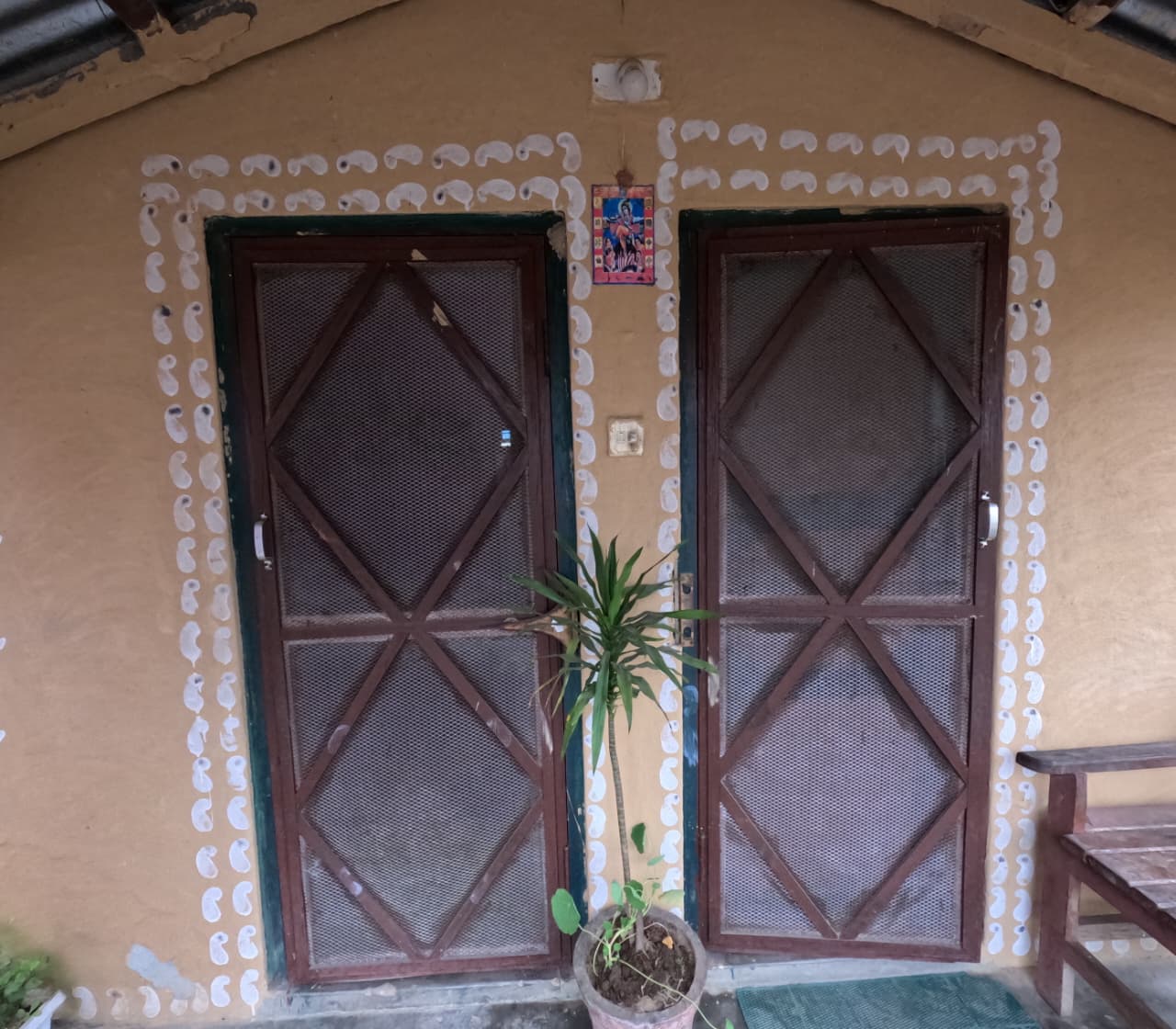
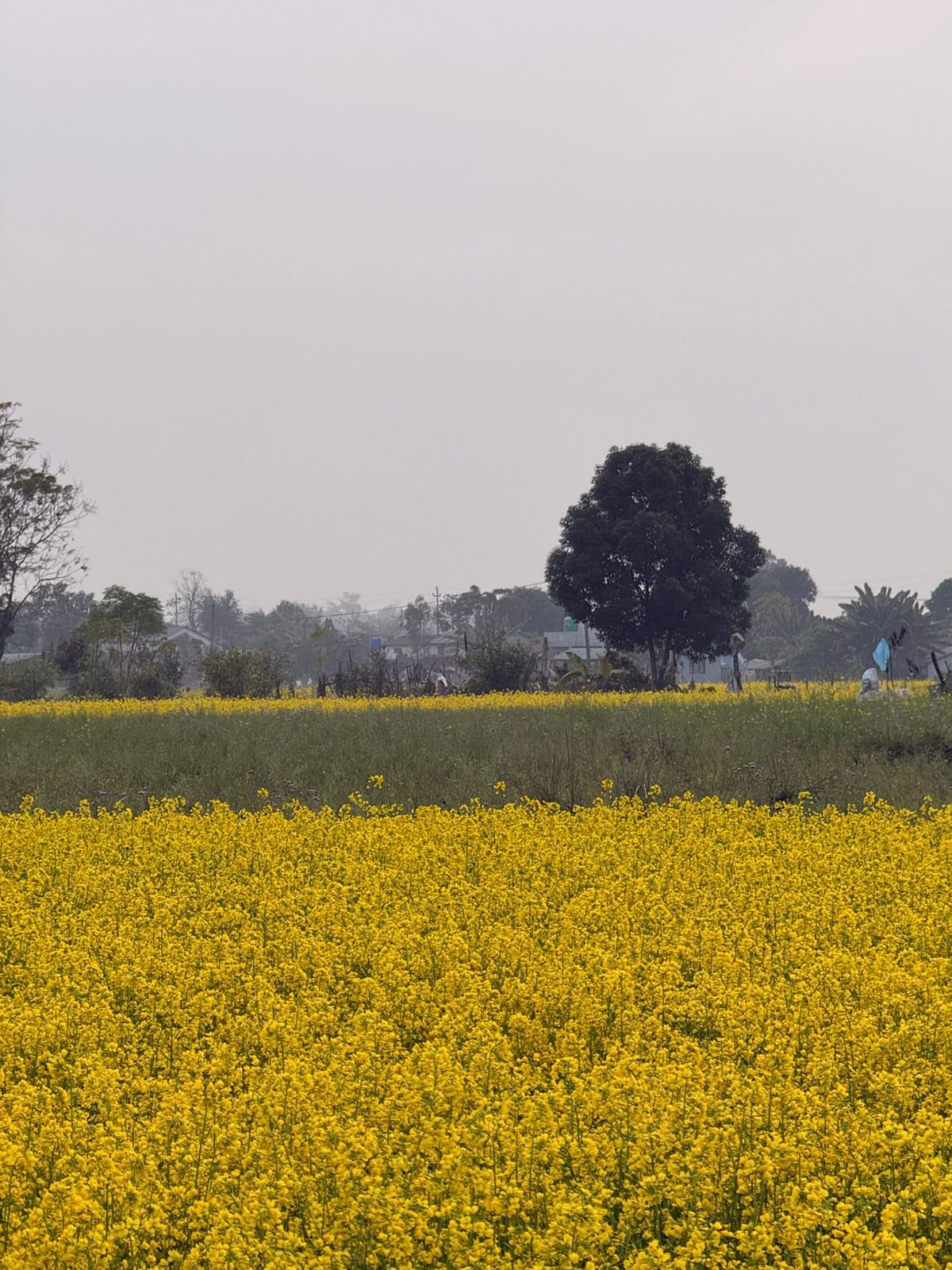
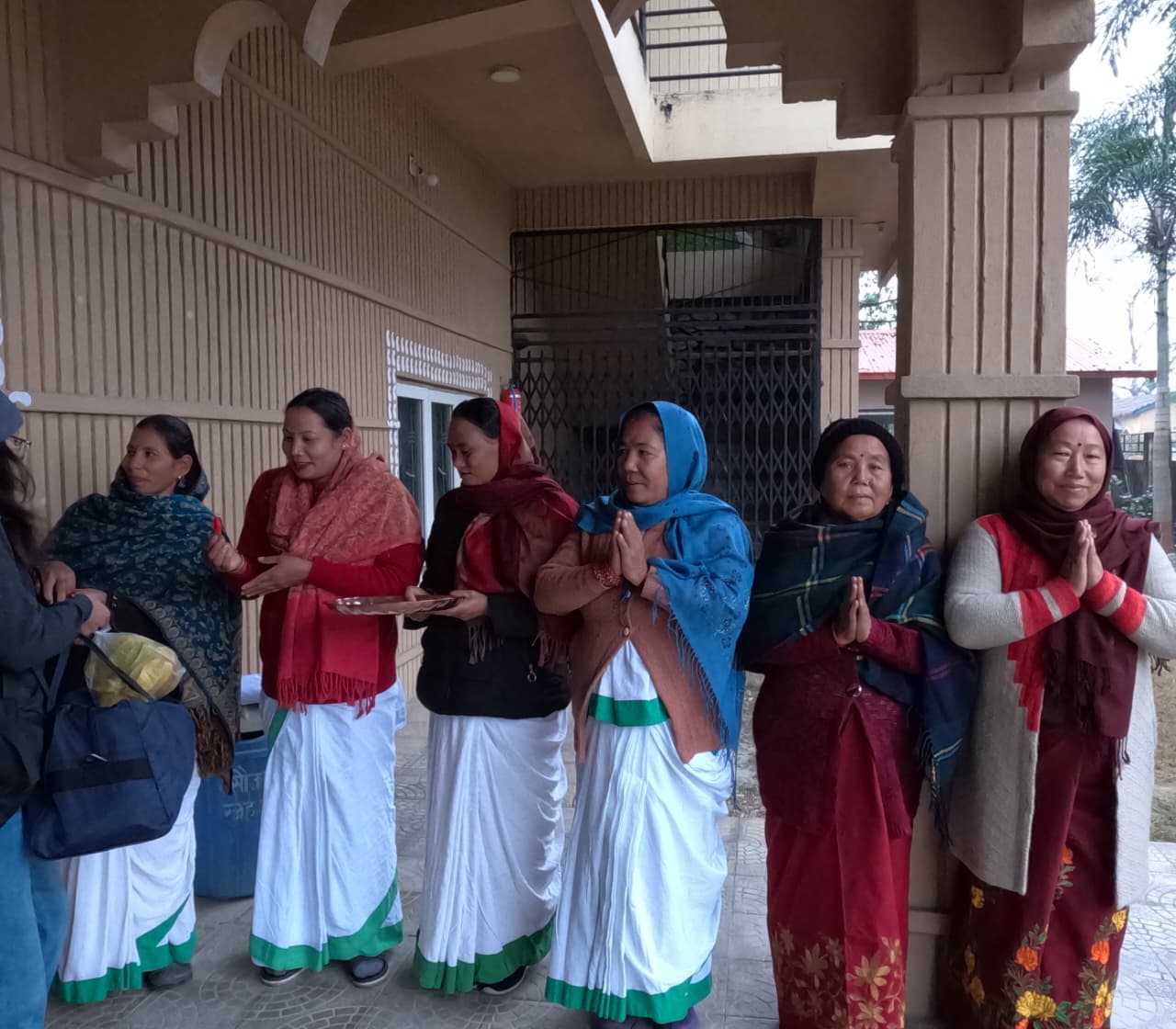
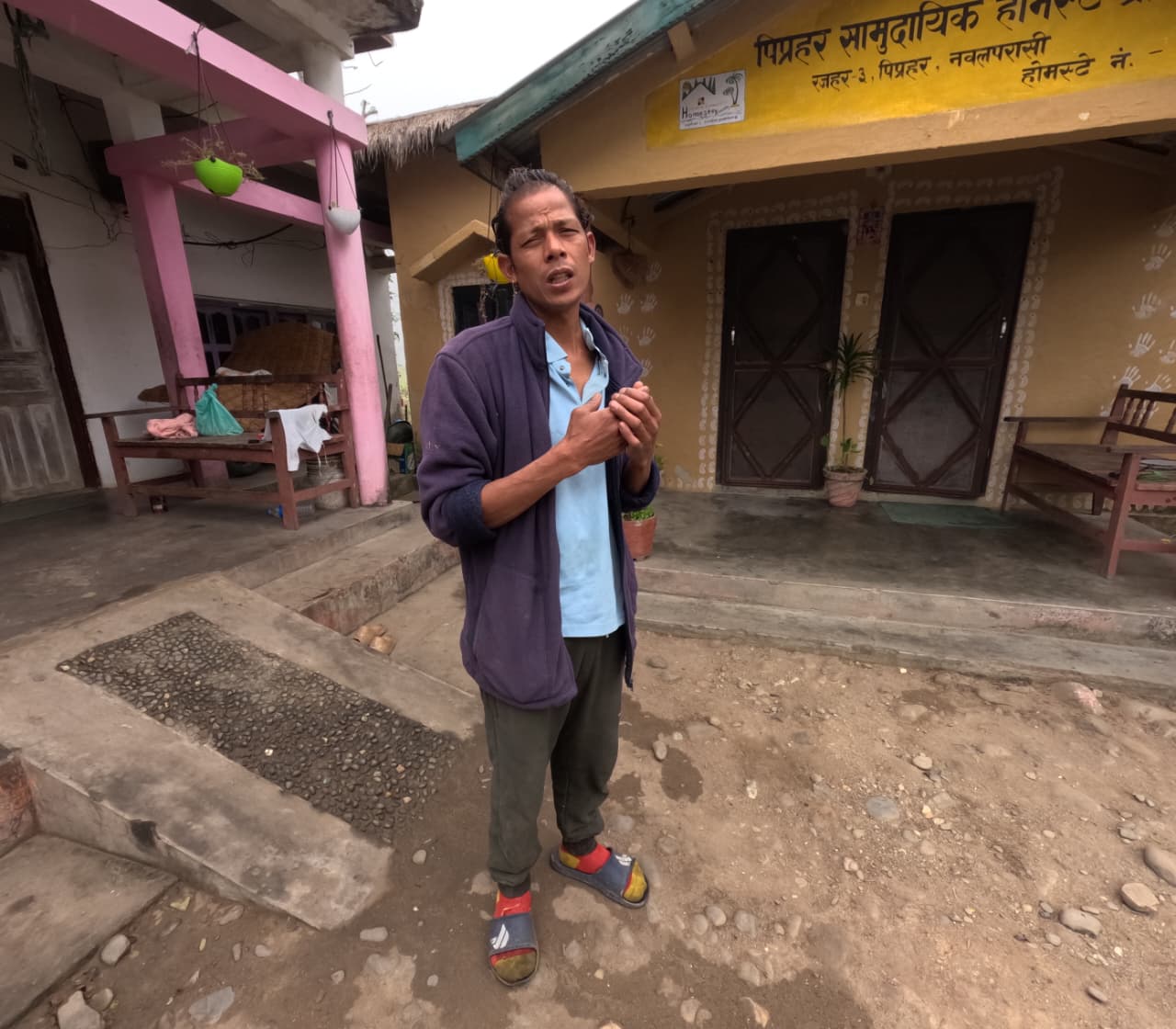
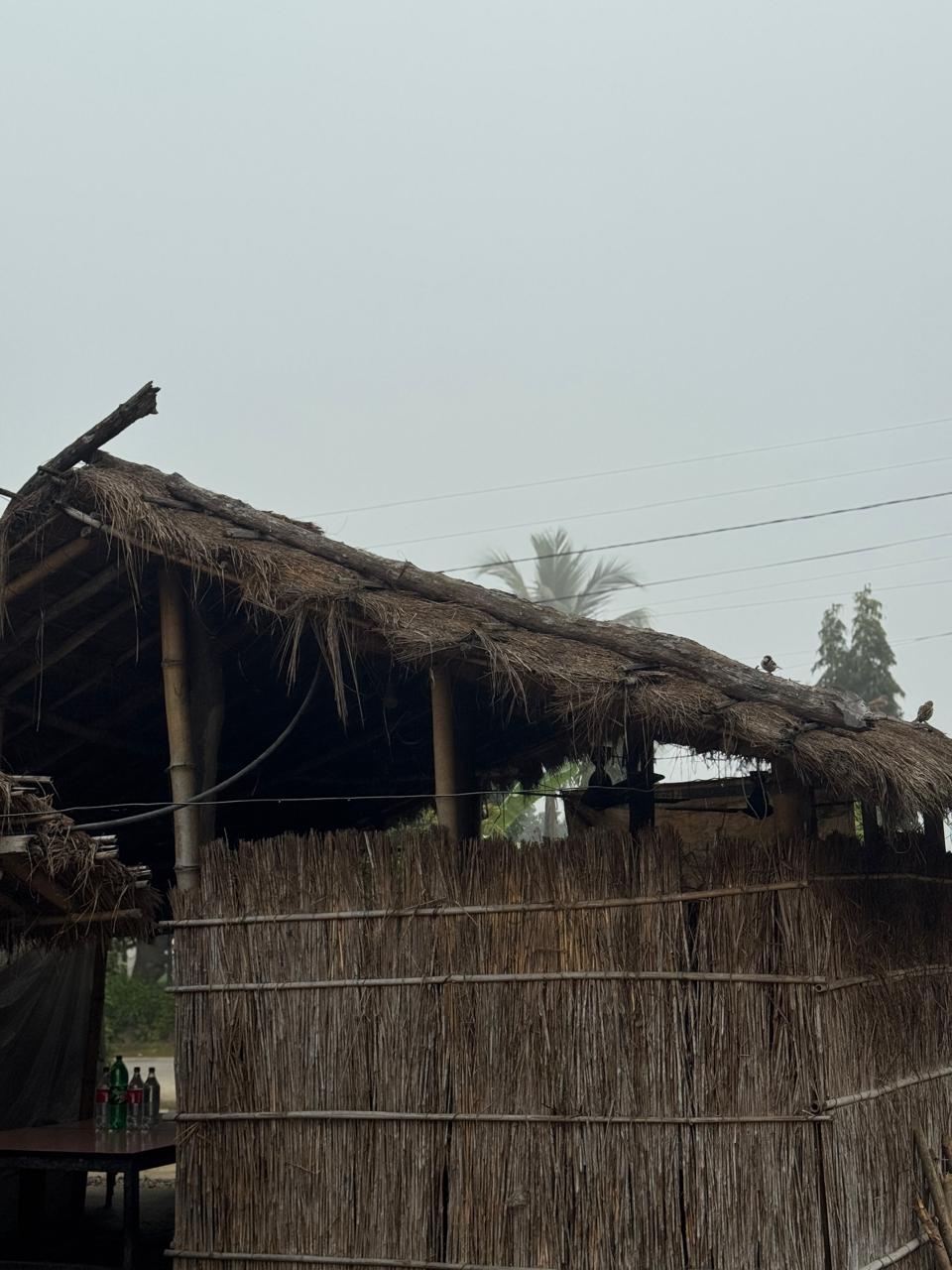
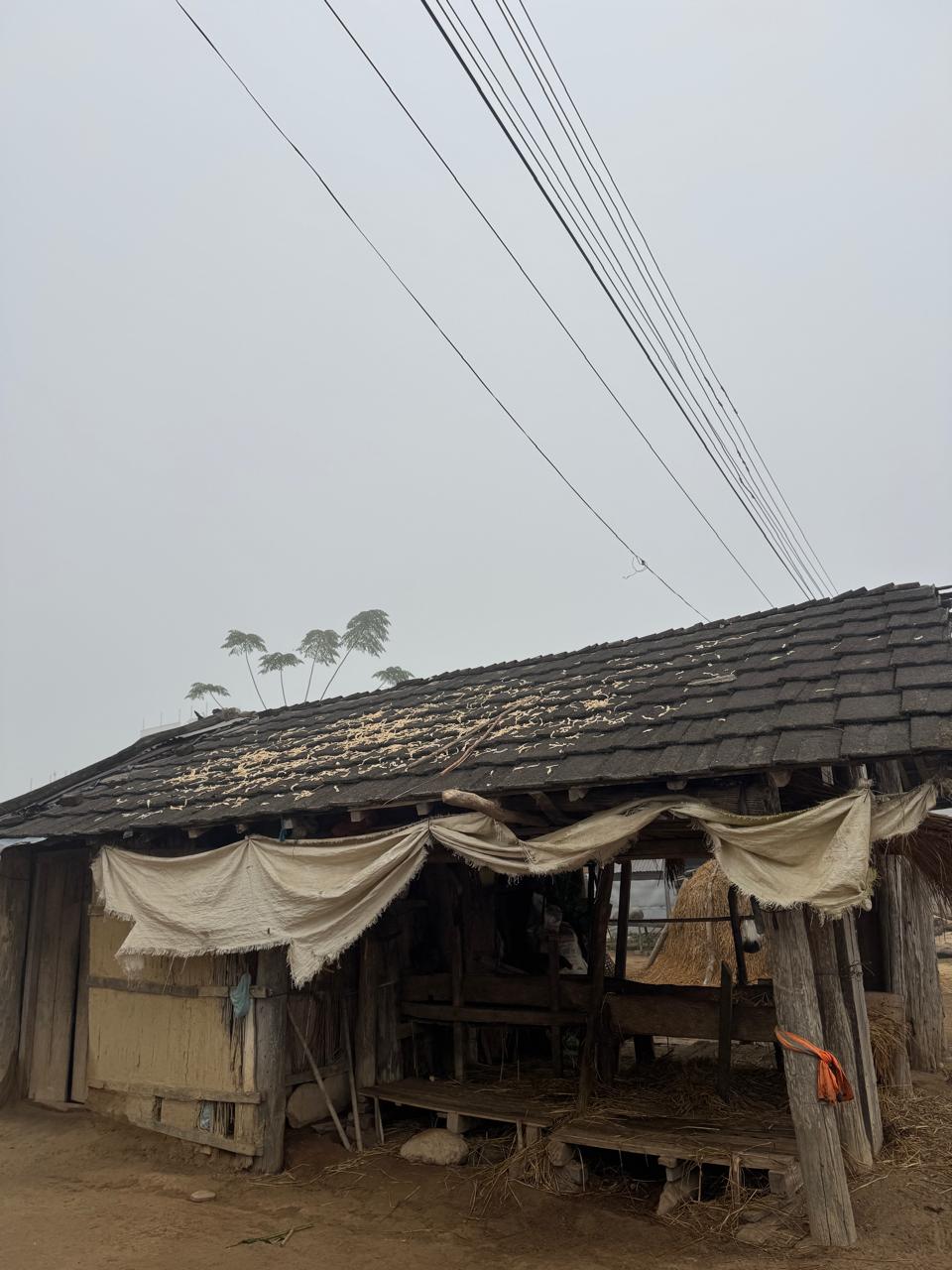
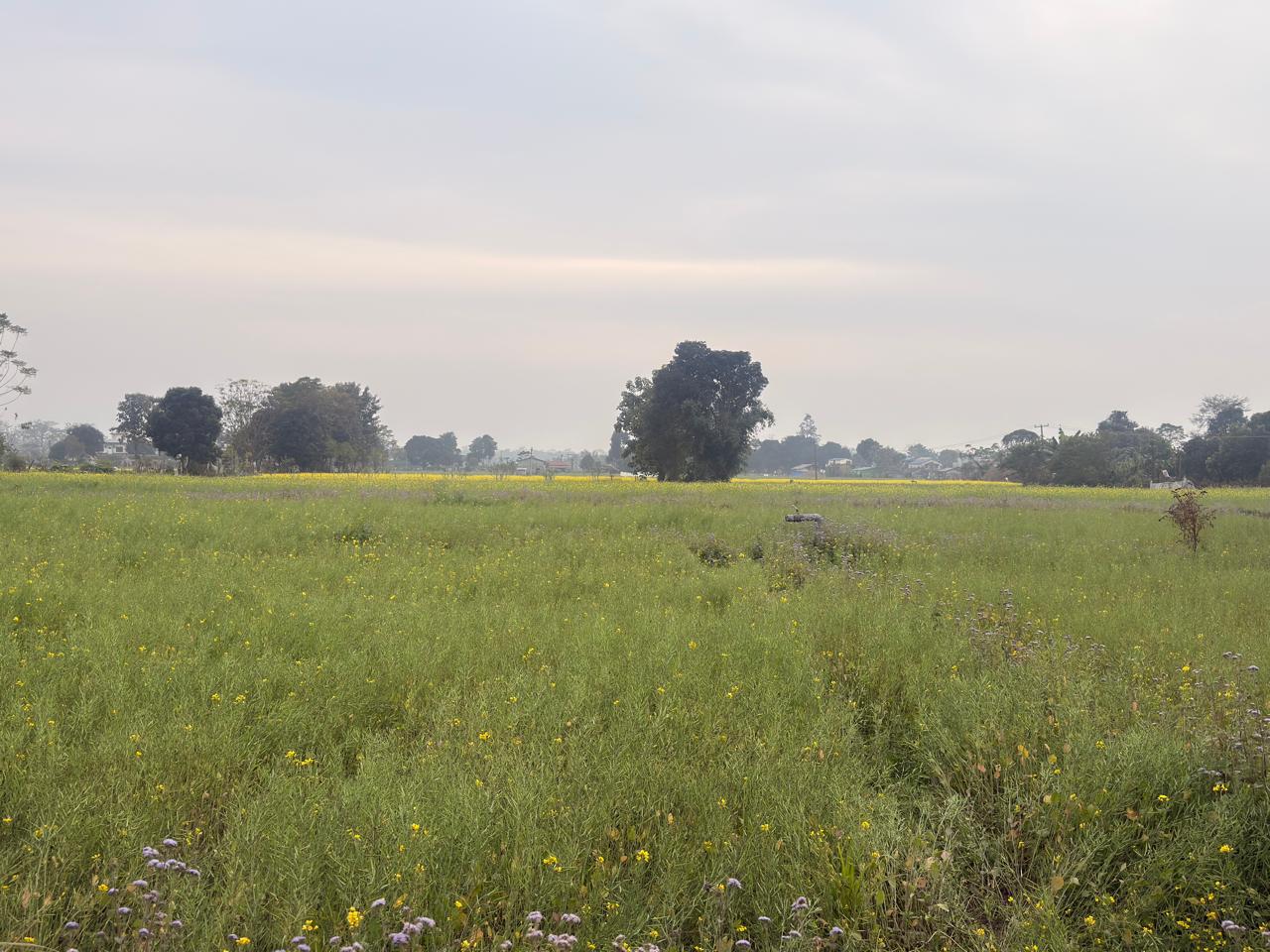
Local homestay hosts greeted us warmly, marking our foreheads with tika and offering fresh flowers in true Nepali hospitality. We gathered in the community hall for an orientation and room assignments, shared out based on bed counts per household.These charming hut style homestays featured two rooms apiece, each with two cozy beds, a handy numbering system to pair guests with hosts, and modern attached bathrooms, all positioned close to the host familie's own homes for an immersive stay. Meals were thoughtfully prepared: customizable breakfasts, lunches, and dinners with vegetarian or non-veg options, plus your pick of fresh vegetables. After settling in and freshening up, we geared up for community surveys. We walked through the area and admired yellow mustard fields in full bloom. Chatting with residents revealed challenges: Locals shared stories of rhinos from nearby forests raiding crops at night, leaving damaged patches behind. No one ventured out after dark due to wild animals from the community forest. We felt a bit scared, especially with a night meeting ahead with Devchuli's mayor about community homestays and community forestry. but fortunately enough, despite of our movement at night time non of us had to encounter with any rhino or otherwild animals. That evening, we had a comforting dinner that featured rice, dal, seasonal vegetables, tomato chutney, chicken, and spinach. A cultural dance show was planned for the evening at 8 in the community hall, but travel fatigue won out and we rescheduled it for the next day. Instead, we explored the village, marveling at vibrant yellow mustard fields swaying in the breeze.
Day Two: Local Interactions and Discoveries
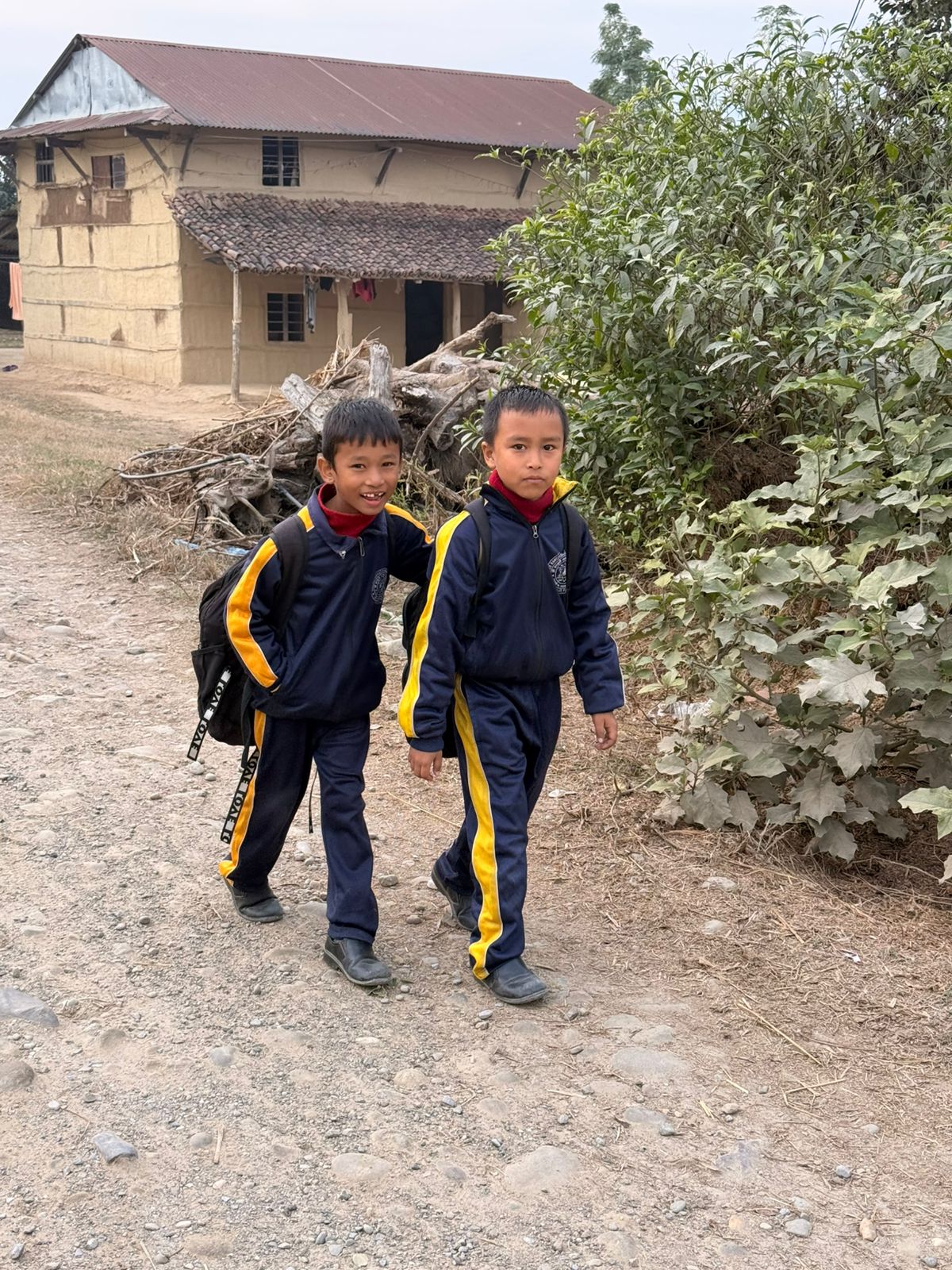
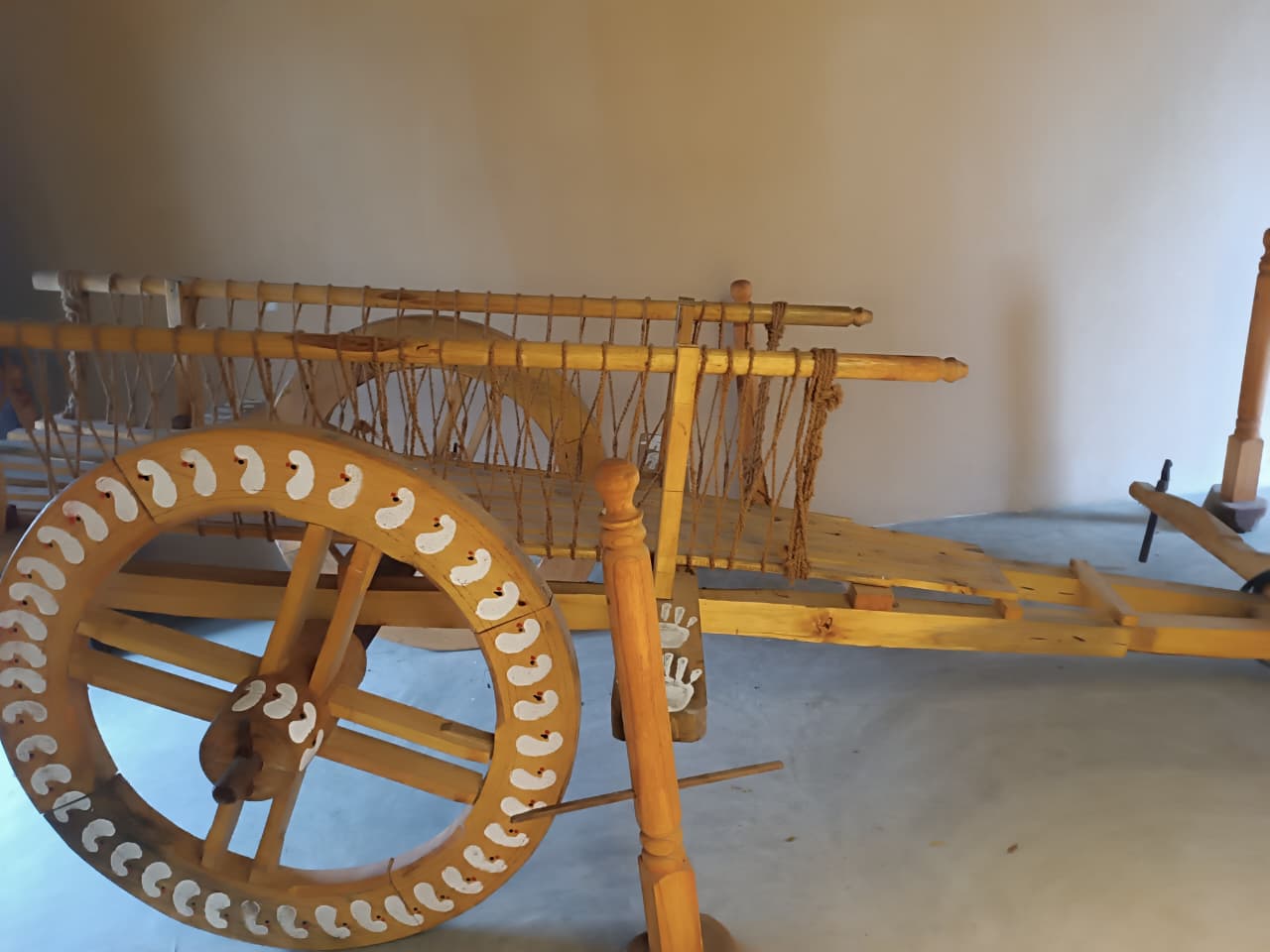
Day two promised a packed schedule with sessions alongside leaders from the community cooperative, Aama Samuha (mothers' group), and homestay committee. Post-breakfast and a quick refresh, we gathered at the community hall, dividing into three teams led by student captains for targeted discussions. Each group had focused talks. Our cooperative chat proved enlightening, The cooperative head explained club formation from start to finish, answering all questions openly. At the end of our Interaction session, We debriefed takeaways, snapped group photos, and bid them farewell. Upstairs in the same community hall, students viewed preserved Tharu artifacts, traditional tools, clothes, and items reflecting the indigenous Tharu community's rich heritage of farming, fishing, and festivals. After the exploration, We were back at homestays for a vegetarian lunch and refreshment. Refueled by a vegetarian lunch back at our homestays, we enjoyed a brief leisure break.

Thrilling Jeep Safari in Divya Community Forest
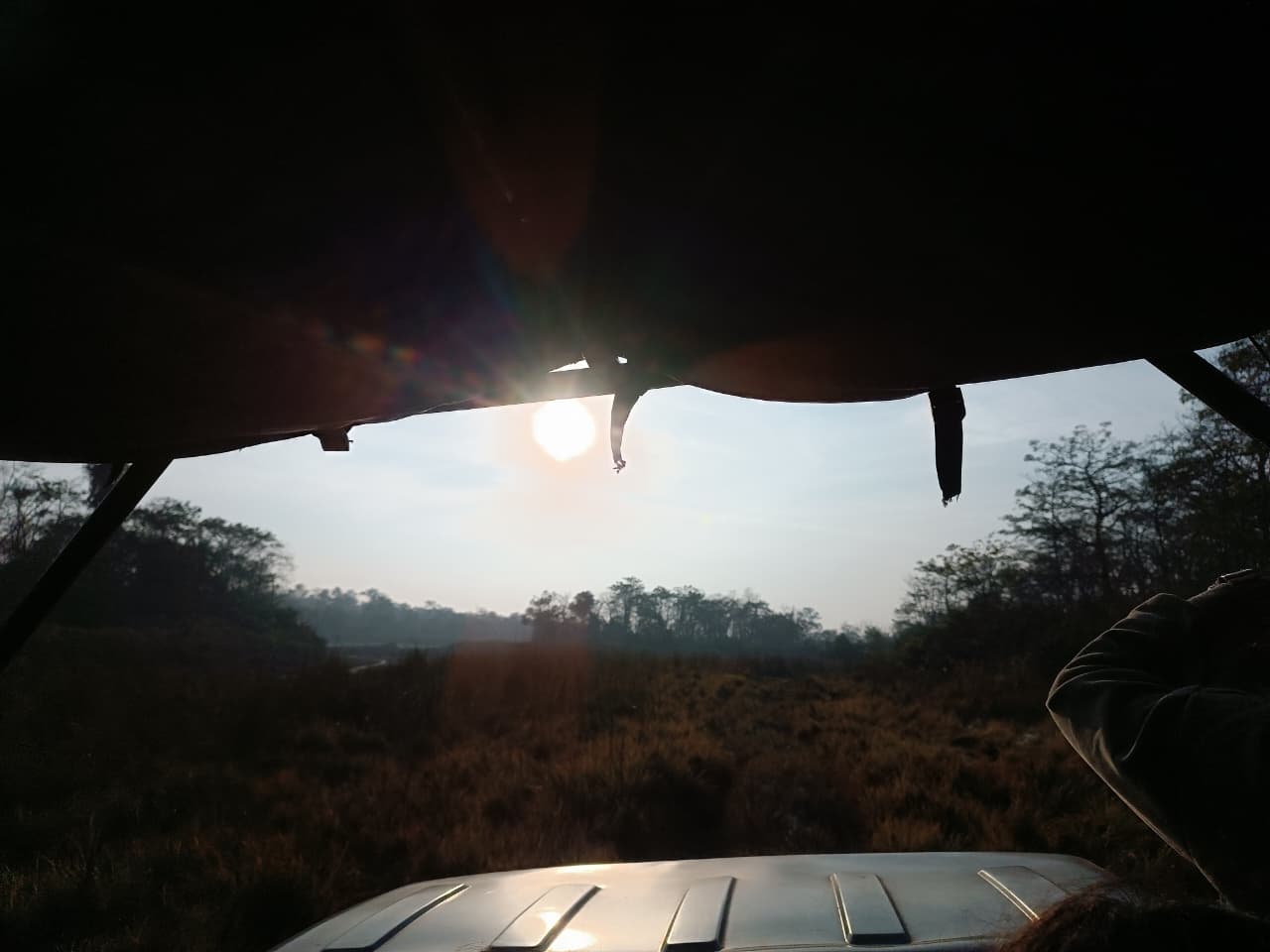
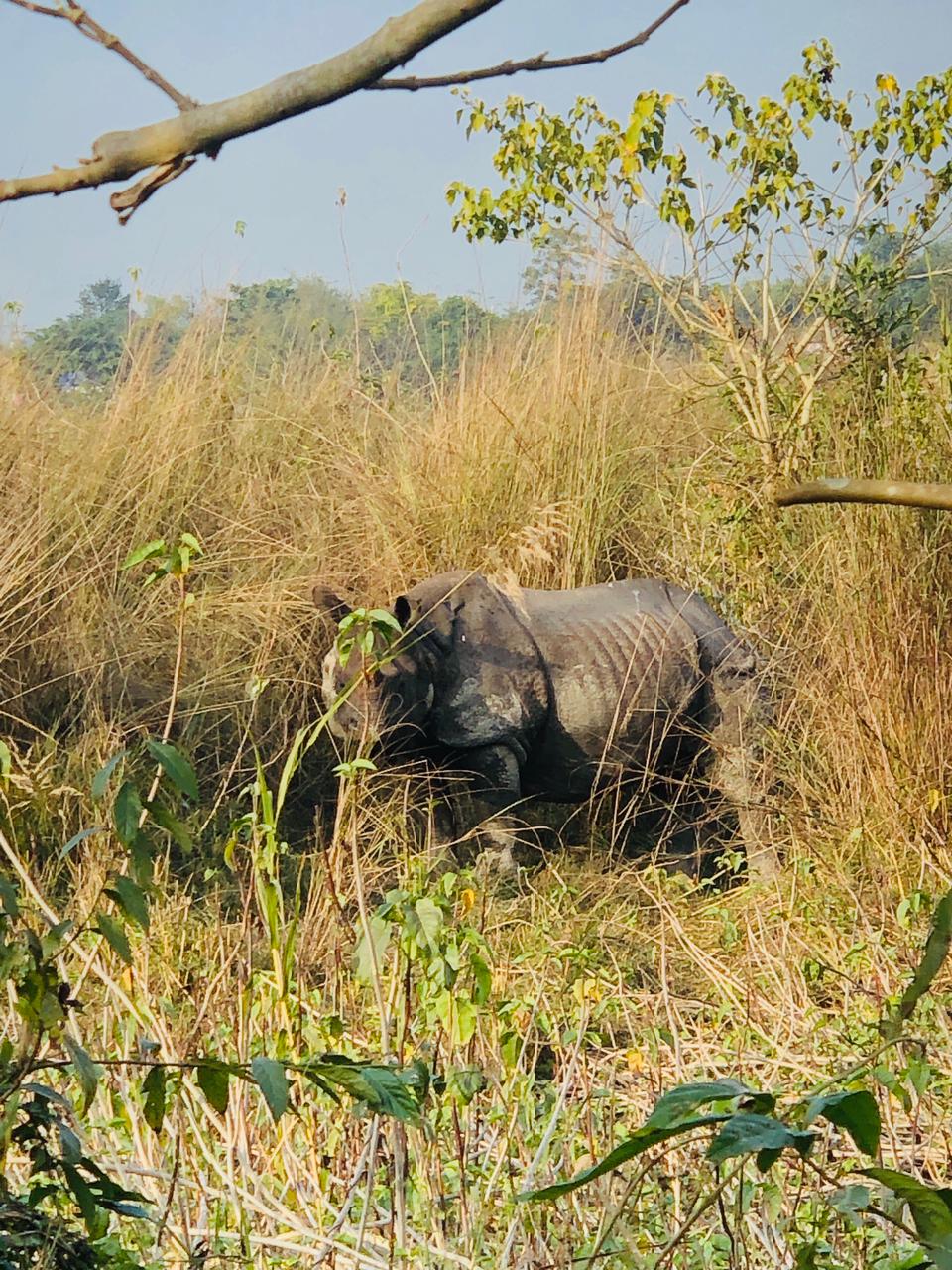
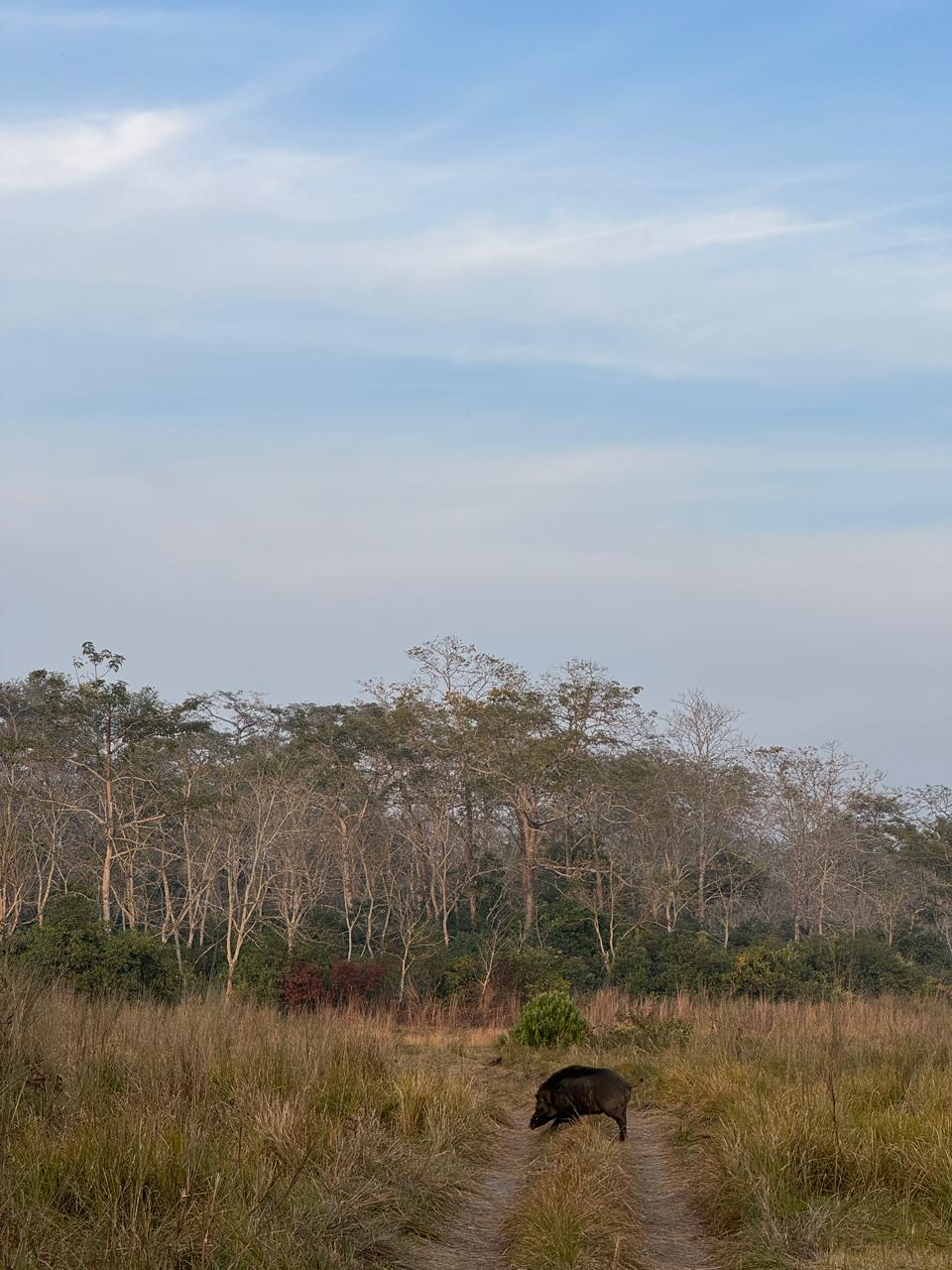
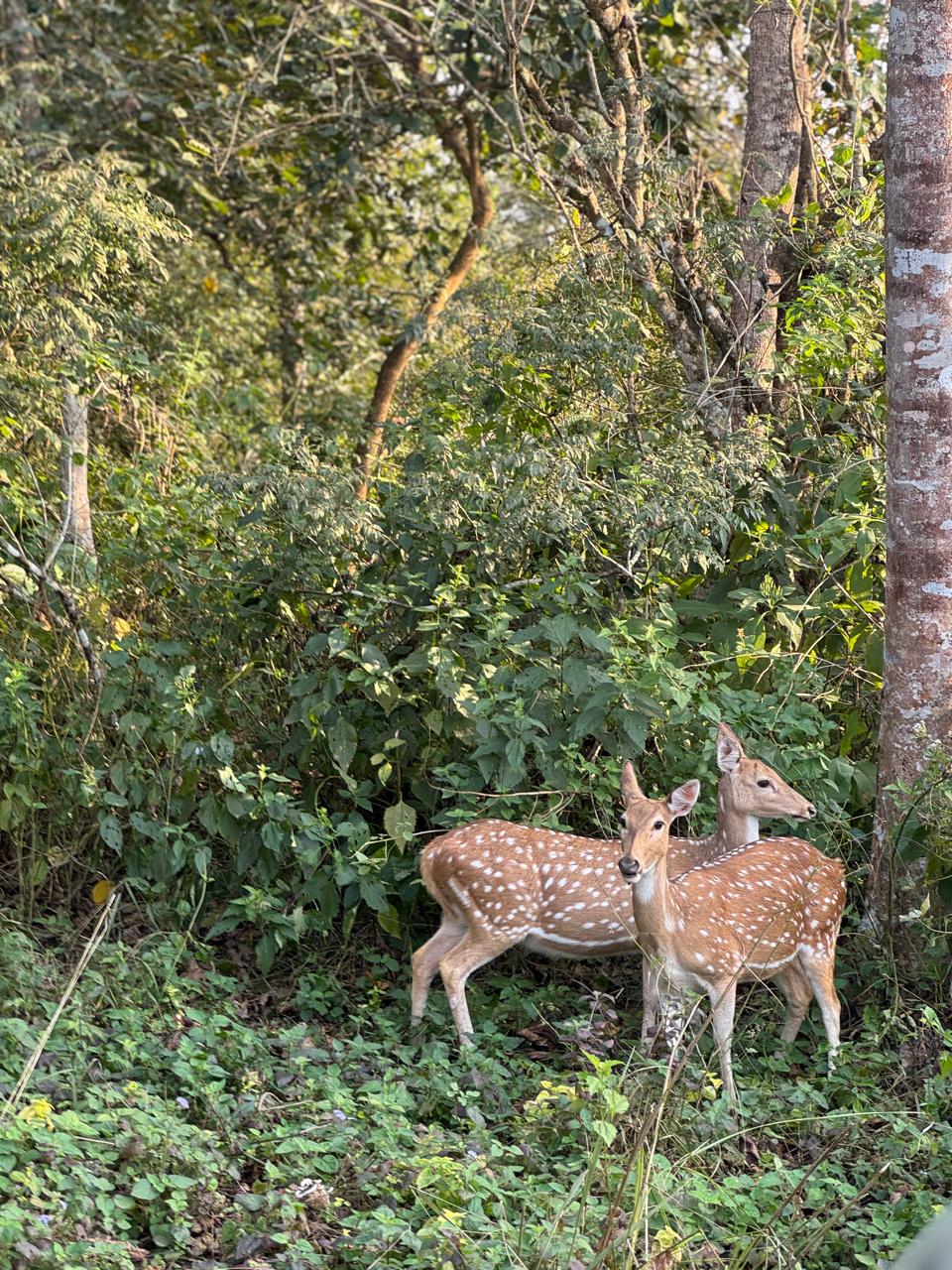
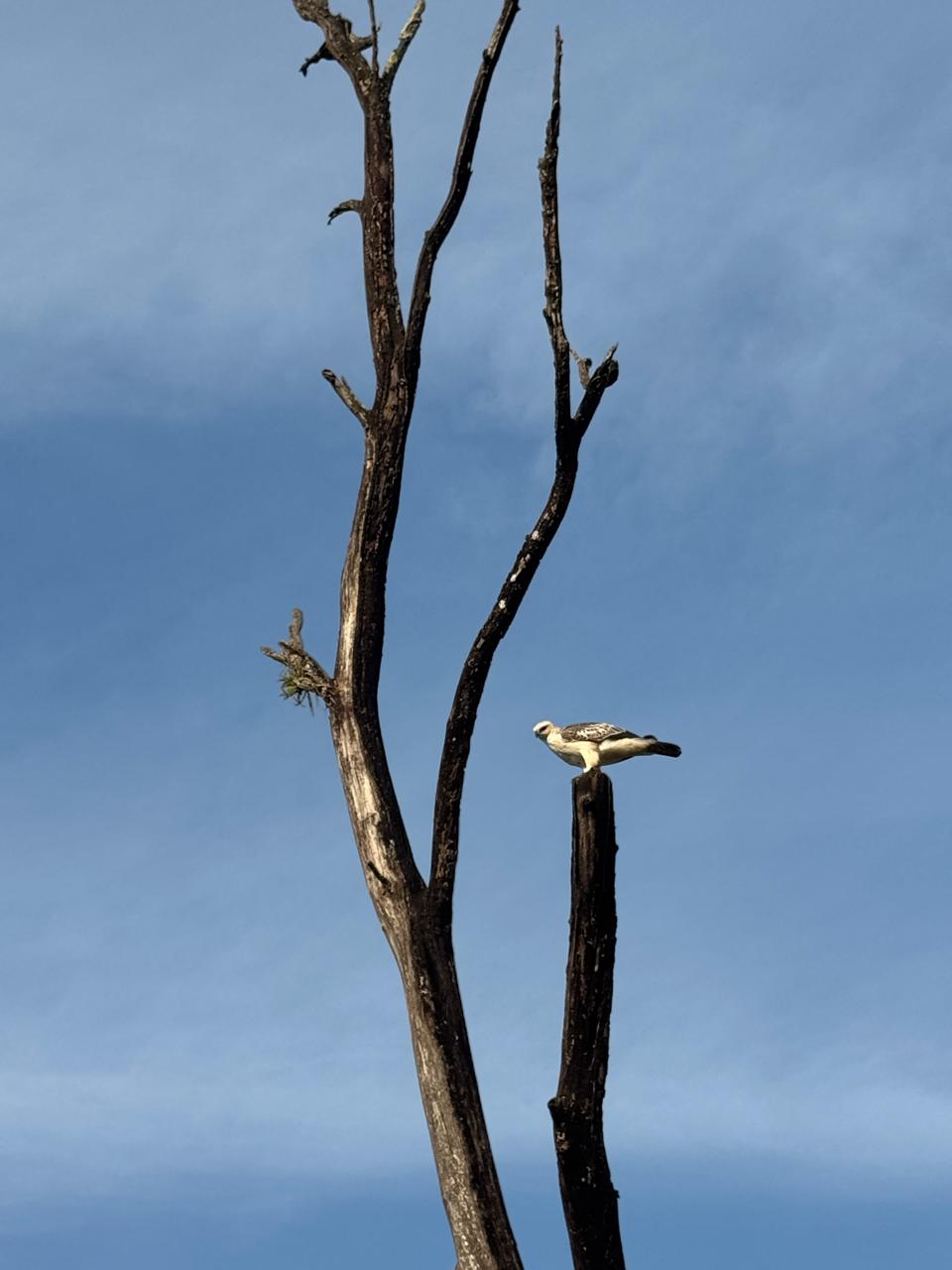
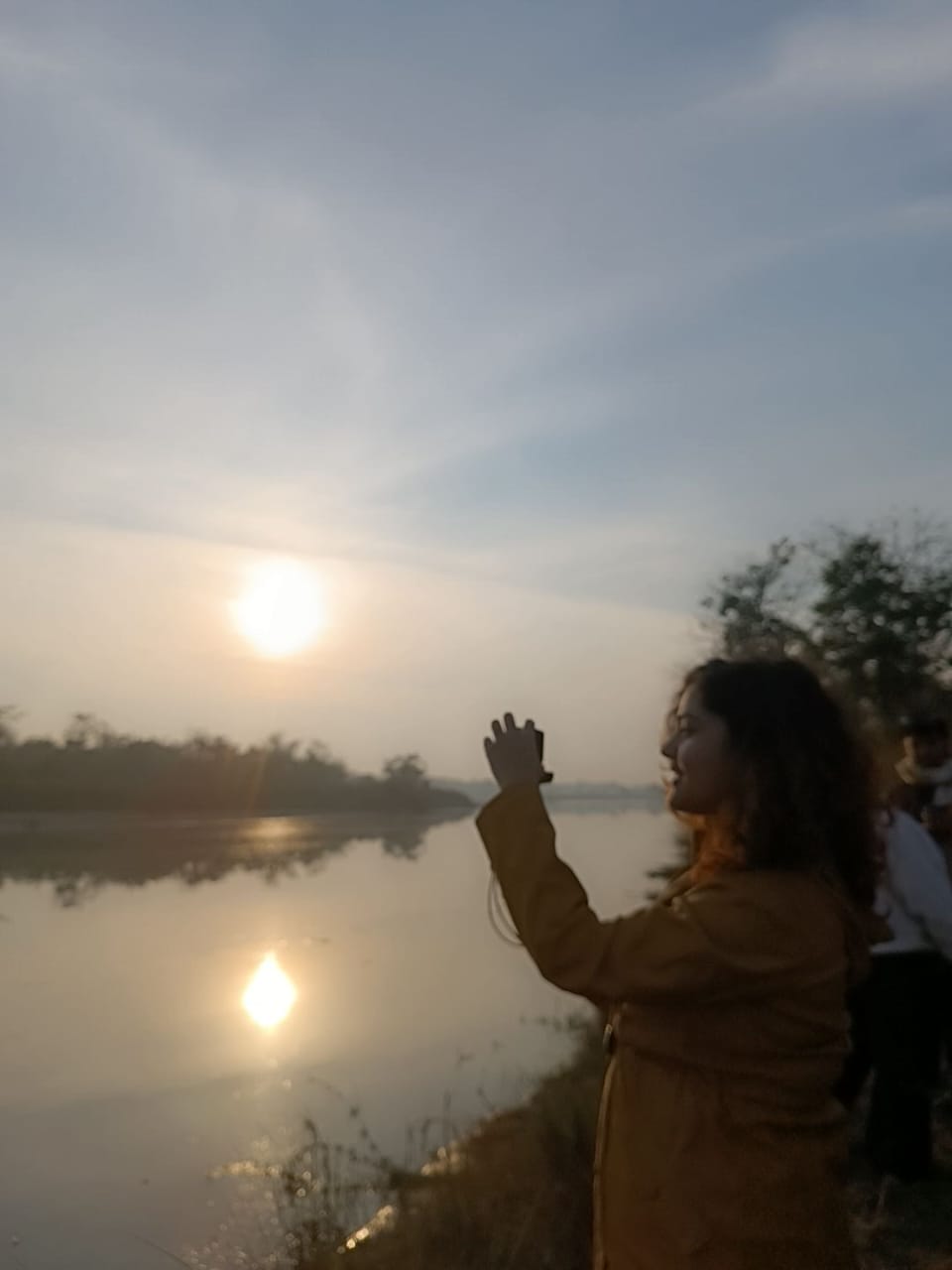
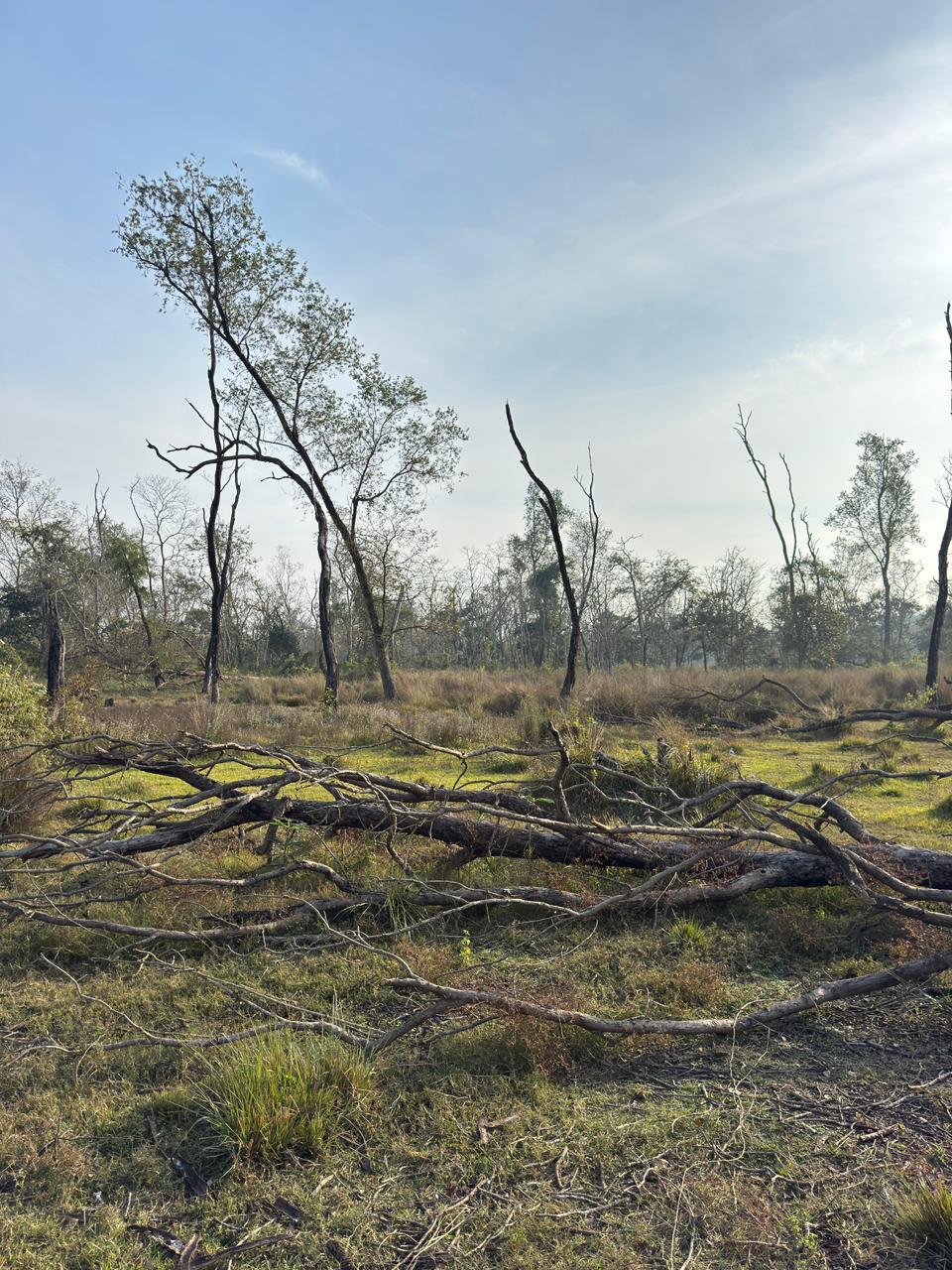
At 2 p.m., the highlight began: excitement peaked with a pre-arranged jungle safari in Devchuli's Divya Community Forest. Three jeeps carried the group deep into the greenery. The forest connects to Chitwan's ecosystem, home to diverse wildlife. Early on our journey, a wild boar crossed the path. We later spotted elephants, deer, rhinoceros, peacocks, langurs, and playful monkeys. Riverside views revealed winter migrant birds. And also a bird called chakhewa, known in folklore as symbols of love. The guide explained their sad legend: if one partner dies, the other partner stops eating, starves itself to death and follows soon after, a heartbreaking tale that left us in awe. During the Safari, we were strictly prohibitte to put on Bright clothes and noise were banned to avoid disturbing animals. Tiger tracks excited everyone but no tiger appeared. We witnessed the fresh paw prints of tiger tho, courtesy of the guide's keen eye. The thrilling safari madeus forget about time. Time flew, and we returned as darkness fell.
Sandhya Aarti and Tharu Dance Extravaganza
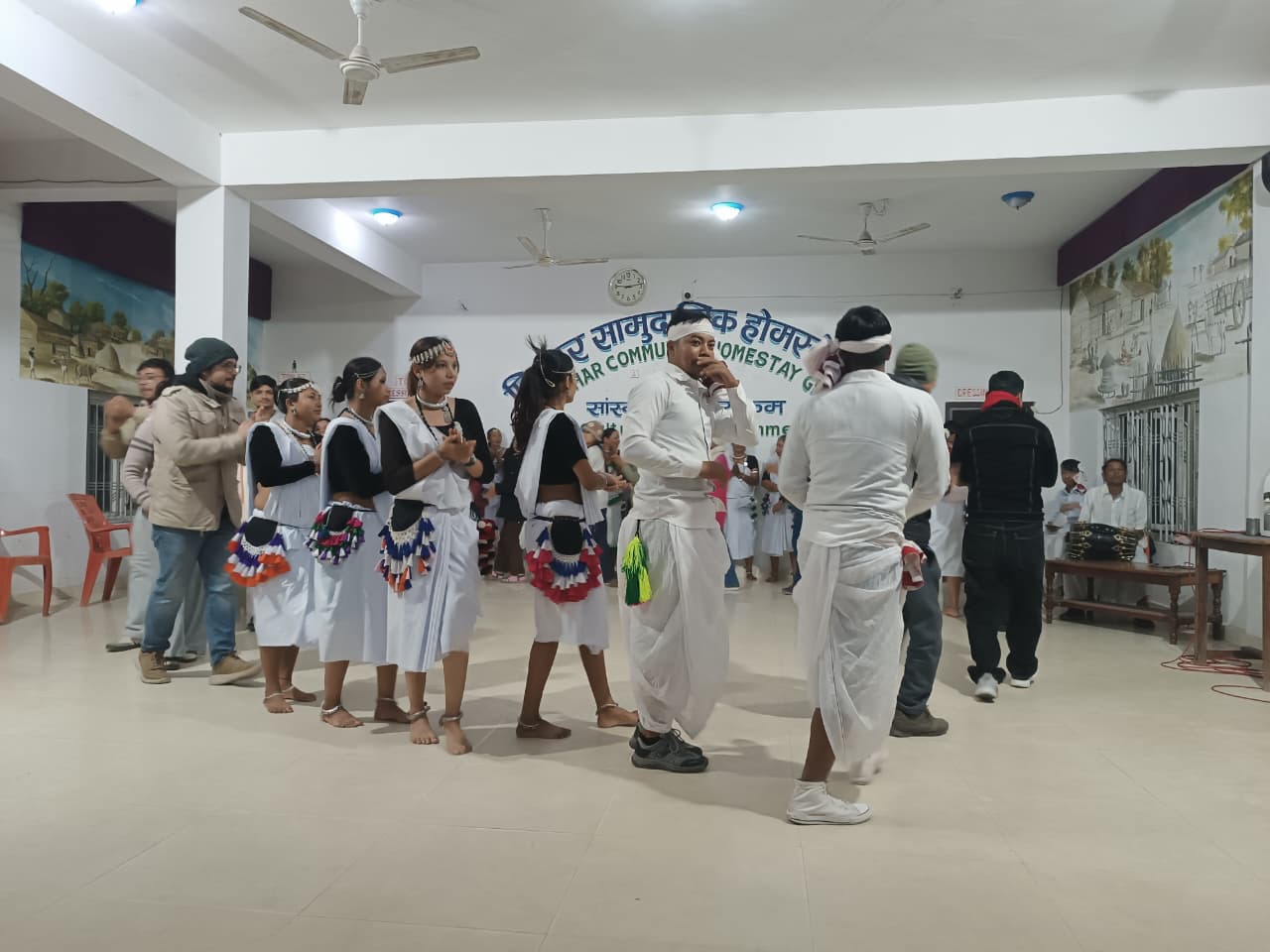
On the way back to our homestay, We stopped at the famous CG for its peaceful evening sandhya aarti, with lamps and chants creating a divine atmosphere. Tired but buzzing, We freshened up at homestays and ate dinner before heading to the hall at 8 p.m. to witness the most beautiful tharu dance performance. And oh my god what a beautiful performance it was presented by the locals, they showed us stunning Tharu dances: Lathi (stick dance for strength), Ghaila dance, Jhumra (drum-driven folk steps), and more. Each had historical meaning, like harvest celebrations or unity rites, as described by the locals themselves. At last, we too joined in, laughing and dancing together. Due to rhino risks, the college bus safely dropped everyone back.
 Final Reflections and Fond Farewells
The final morning started with breakfast and a group reflection at the community hall. Divided into teams, students shared thoughts on activities with teachers. Surveys, interactions, safari, and culture. Locals bid goodbye with tika and flowers, mirroring the welcome.
The bus left for Kathmandu, stopping again at Hotel Serchan in Mugling for lunch. The trip ended with full hearts, stronger bonds, and fresh insights into sustainable community tourism, forestry challenges, and Tharu traditions in Devchuli's vibrant Piprahar. This journey wove classroom theory with real world rural development, wildlife realities, cooperative spirit, and Tharu heritage memories we shall cherish forever. Such field visits help students connect classroom learning to real rural development in Nepal. And lastly, Piprahar homestay gram is the place that I would definietly recommend everyone to visit.







-1780967674.jpeg)




-1767877915.jpg)